The Paris issue
Plan a First Paris Trip Without Filling Every Hour
Half of every day stays open on purpose. The rest: which Paris bookings actually matter in 2026, and which sights take thirty minutes.

By Sasha LindholmThe unhurried side of Paris
The Seine bends through the middle of Paris like a slack rope, and nearly everything a first-time visitor wants to see sits within a half-hour walk of one bank or the other. That closeness is the trap. Because the distances look trivial on a map, people schedule six sights a day, then spend the week queueing, hurrying and half-seeing. A first trip works better with one anchor a day, three or four bookings made before you fly, and long unclaimed stretches in between.
Book the things you cannot walk into
Most of Paris still lets you turn up. A handful of places no longer do, and those are the only reservations worth losing sleep over.
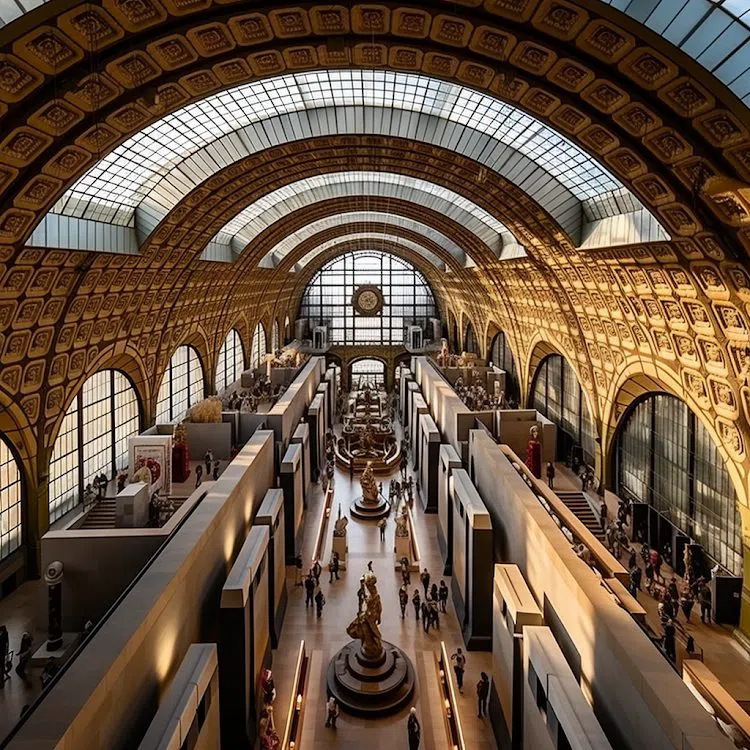
Musée d'Orsay (Left Bank, 7th) is the one that catches first-timers out. Since March 2026, timed entry is mandatory and walk-ups are refused while the reception areas are renovated. No ticket means no entry, however long you are prepared to stand there. Admission is €16, dropping to €12 on Thursday evenings after 18:00, when the late opening runs to 21:45 and the Impressionist floor is as calm as it ever gets. Closed Mondays. Groups book through the museum's dedicated group service; a group that arrives on spec will be turned away at the door.
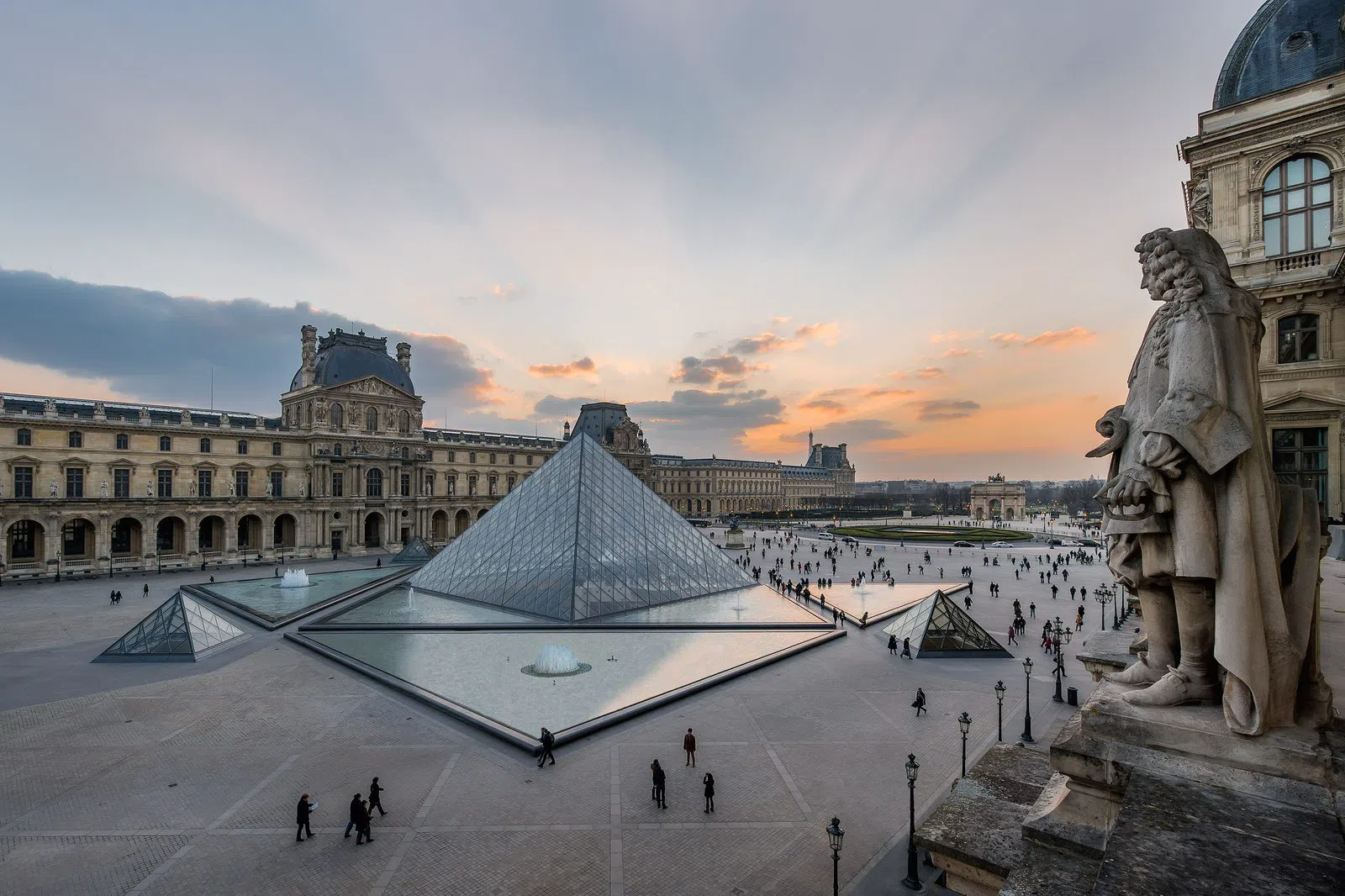
Musée du Louvre (1st, at the eastern end of the Tuileries) sells group slots and individual slots separately, and the individual time slot is effectively required. Entry is €22 for EEA residents and €32 for everyone else, free for under-18s and for EEA residents under 26. It is closed Tuesdays and stays open to 21:00 on Wednesday and Friday. Groups of seven or more must book a dedicated group slot in advance. Set one expectation before you go: the Apollo Gallery reopened on 22 July 2026 stripped of its crown jewels after the 2025 heist. The room is still magnificent, but the jewels are gone, and the disappointment lands harder if nobody warned you.
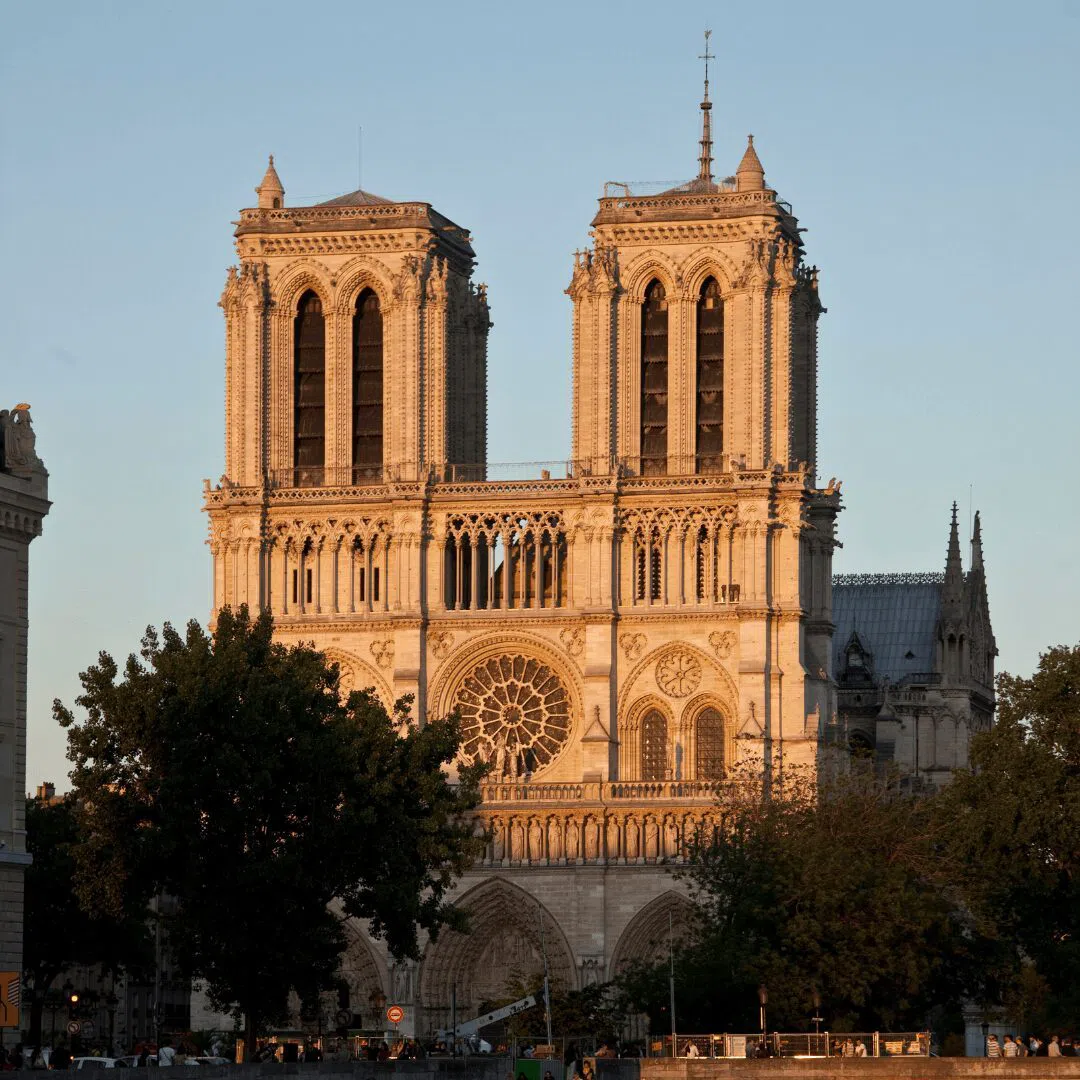
Cathédrale Notre-Dame de Paris (Île de la Cité) is free to enter with or without a booking, which sounds like good news until you see the queue. Slots open only 72 hours ahead, and the unreserved line runs one to three hours in season. Set a reminder for exactly three days before, or simply be at the west front at opening. The bell towers, reopened in September 2025, are ticketed separately at €16 and booked online only through the Centre des monuments nationaux.
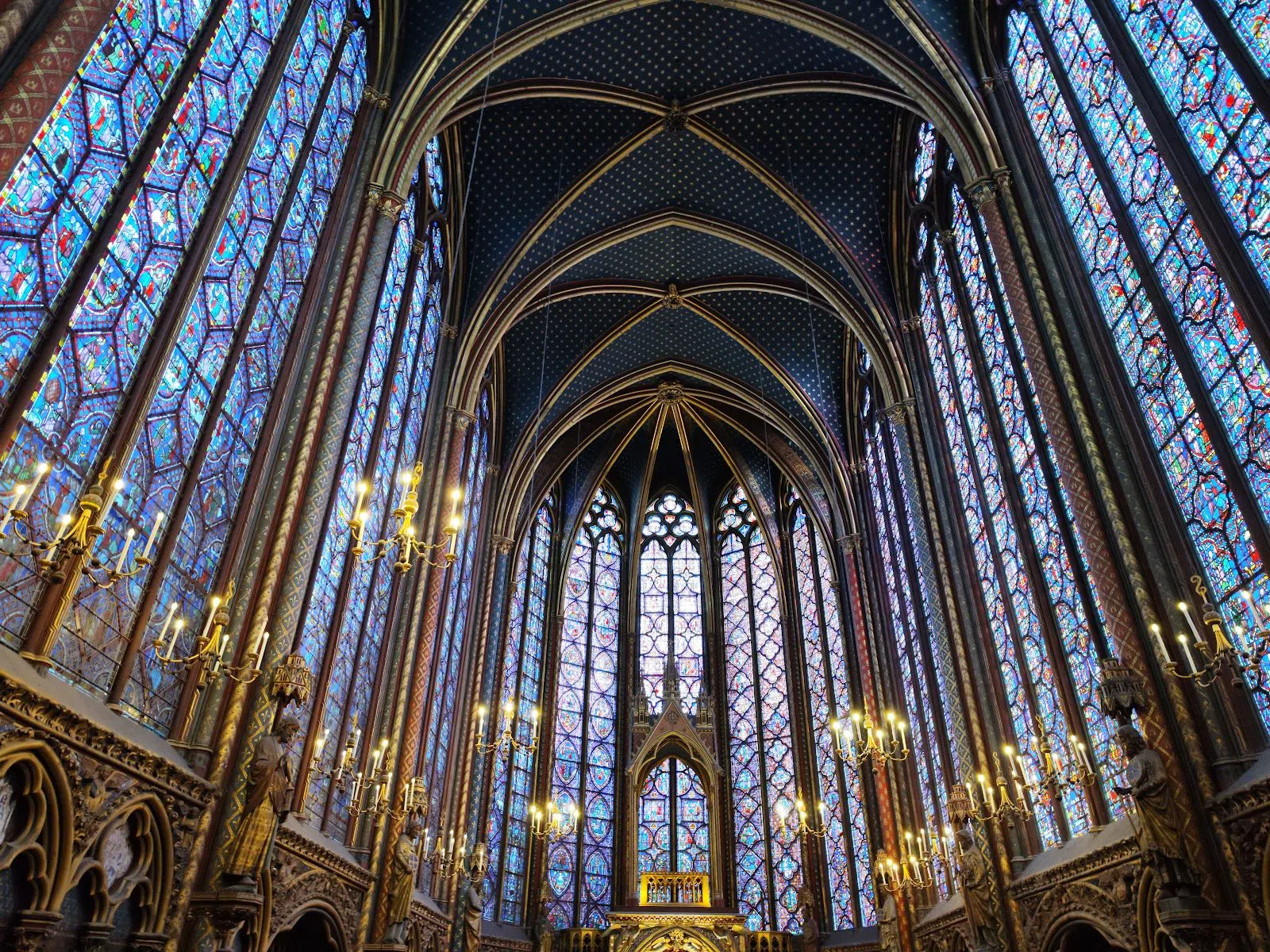
Sainte-Chapelle (Île de la Cité, inside the Palais de Justice) costs €16 for EEA residents and €22 for others, or €23 and €30 combined with the Conciergerie next door. Booking is compulsory for groups of eight or more, and individuals should book anyway to skip the courthouse security queue.
One more, and it is a restaurant. Bistrot Paul Bert (11th, off rue Faidherbe) takes phone bookings only, on +33 1 43 72 24 01. It is the single dinner worth arranging before you leave home.
Plan your Paris trip
Live prices from our booking partners.
Free cancellation on many rooms. We may earn a commission when you book.
Give the Louvre one morning and let the rest go
The Louvre is the easiest day in Paris to ruin through ambition. Nobody sees it in a visit, and the people who try come out grey-faced at four in the afternoon having enjoyed none of it. Pick one wing and treat the other two as a future trip.
Denon holds the Italian paintings and the crowd around the Mona Lisa, which is worth two minutes of your life and no more. Sully runs from the Egyptian rooms down to the medieval moat and the foundations of Philippe Auguste's fortress in the basement, the part most visitors skip and the one they tend to remember. Richelieu keeps French sculpture in two glass-roofed courtyards where you can sit on a bench in near silence at almost any hour.
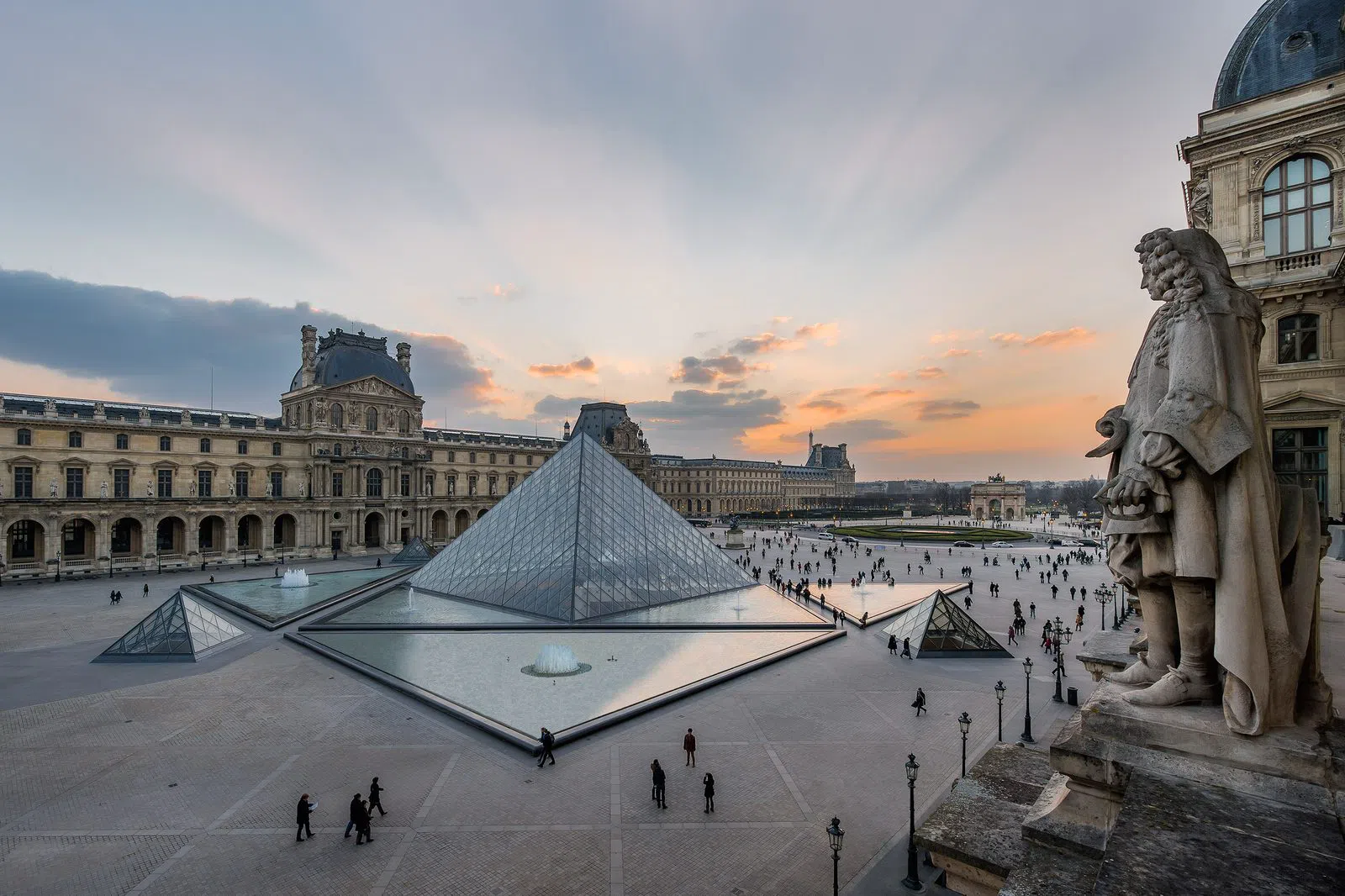
Three hours is a full, satisfying visit. Then walk out through the Tuileries and eat something. The Wednesday and Friday evening slots are the best-tempered in the week; the building empties noticeably after 18:00 and the light through the pyramid at dusk is its own reason to go late.
Short visits that rescue an overbooked afternoon
Not every cultural stop needs half a day, and the small ones are what make a loose schedule feel generous rather than thin.
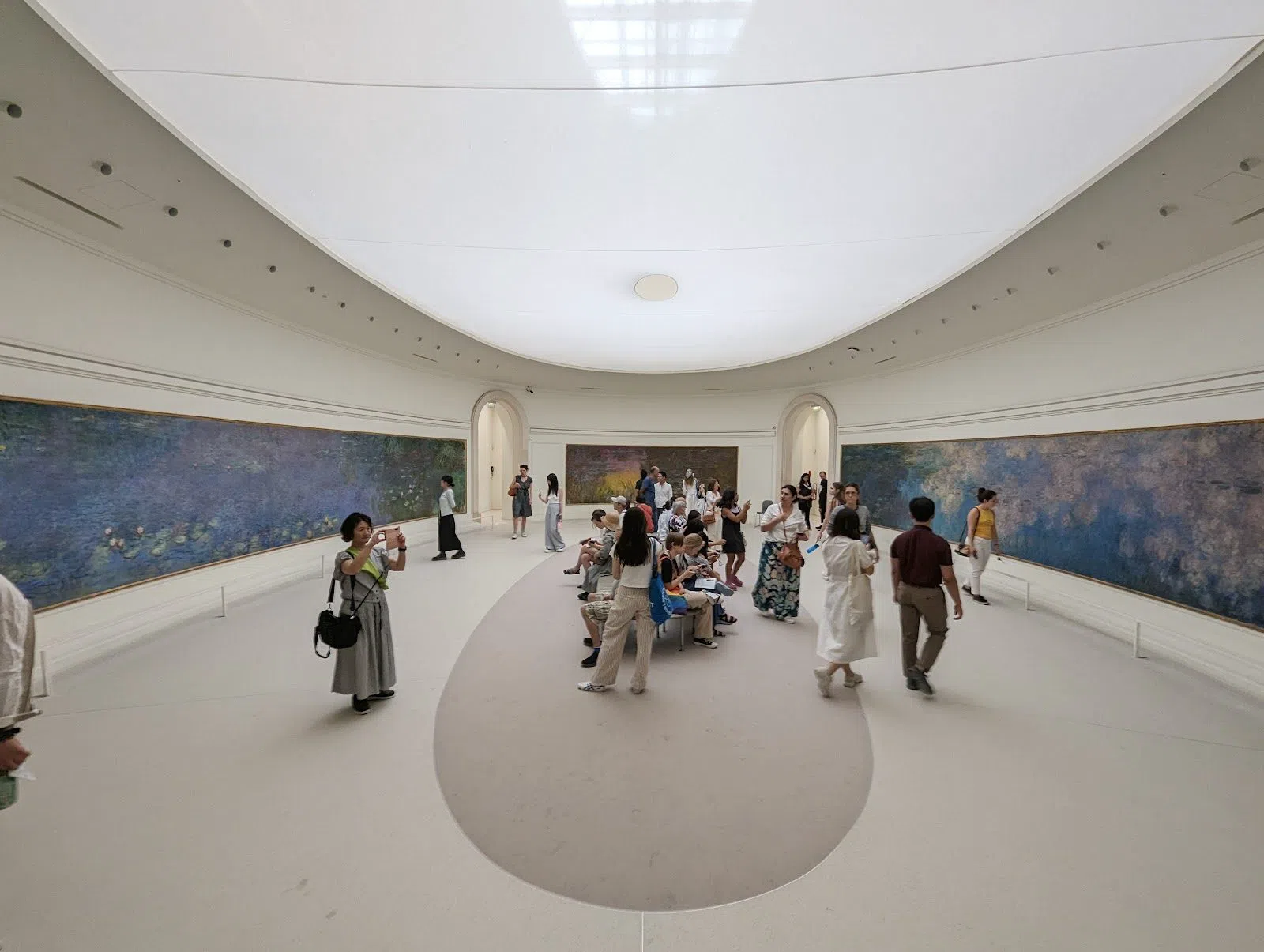
Musée de l'Orangerie (Tuileries gardens, 1st) is two oval rooms and about forty-five minutes of Monet's water lilies wrapped around you in daylight, one of the great experiences in the city. Entry is €12.50, free on the first Sunday of the month with a reservation, and there is now a Friday late opening to 21:00 during exhibition periods with reduced entry from 18:00. Closed Tuesdays, like the Louvre a few hundred metres away, so do not plan both for the same wrong day. Group numbers are capped in the small galleries; split a group in half or go at opening.
Musée Carnavalet — Histoire de Paris (Marais, 3rd) is free and unticketed for the permanent collection, which changes how you use it. Because it costs nothing, you can give it twenty minutes or two hours and walk out without guilt, which makes it the ideal museum for a day you deliberately left loose. It tells the story of the city itself through old shop signs, Revolution rooms and reconstructed interiors, and it sits two minutes' walk from the covered market. Closed Mondays; temporary exhibitions are charged.
Half a day on the Île de la Cité
The island is the one part of Paris where stacking sights actually works, because they are a five-minute walk apart and none of them takes long.
Start at Sainte-Chapelle on a bright morning. Thirty minutes is enough, and the glass is the entire point, so weather matters more than timing. The Conciergerie next door on the combined ticket adds an hour of cold stone and Revolutionary history, and gets you to lunch. Notre-Dame at opening or on a booked slot rounds it off.
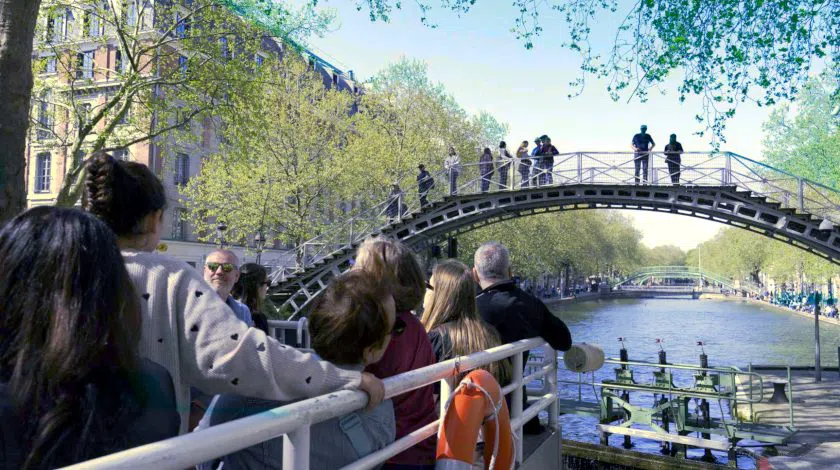
Then sit down. Vedettes du Pont Neuf (Île de la Cité, boarding at Square du Vert-Galant) runs a one-hour guided Seine cruise for €15 booked online, €17 on the day, from a departure point right at the tip of the island. It does the work of a whole afternoon of sightseeing while you sit on a bench and watch the bridges pass, and the last sailing before dusk is the one to take. The boats seat coach-sized parties comfortably and there is a dedicated group booking service, which makes it one of the few things in Paris that is genuinely easier with a large group than with two people.
Places you are allowed to do nothing
A first trip needs at least one afternoon with no ticket in it at all.
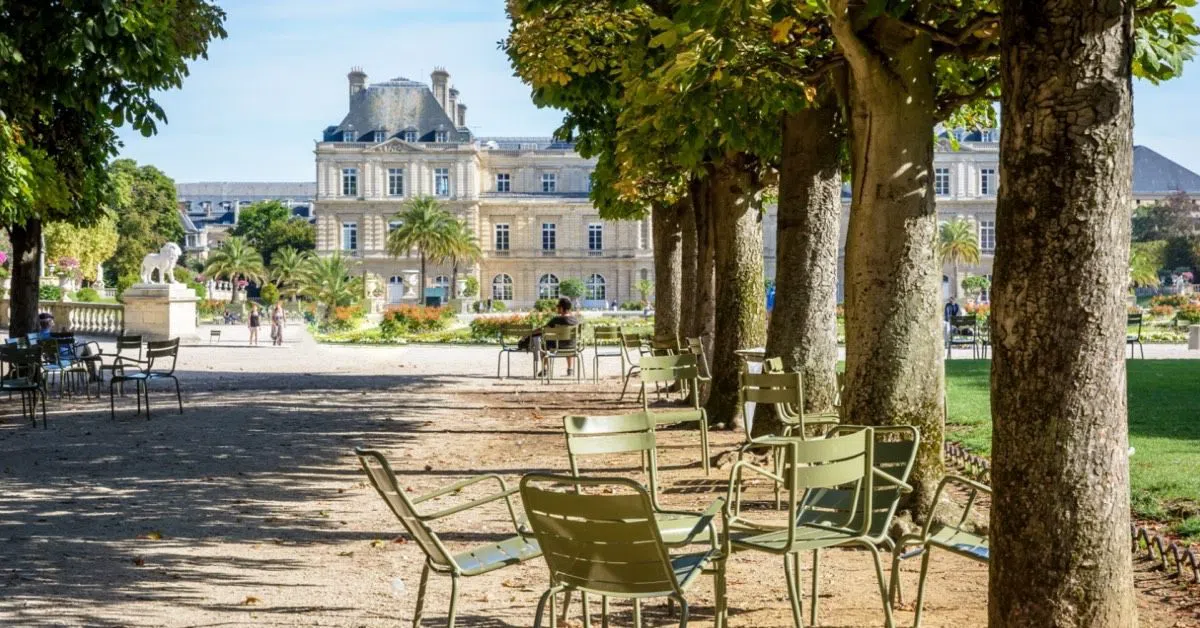
Jardin du Luxembourg (6th, between Odéon and Port-Royal) is free, has no door policy, and its trick is the chairs: hundreds of them, movable, unattended, yours for as long as you like. Drag one to the edge of the basin where children push toy sailboats around for a few euros, or take the shaded alley up to the Medici Fountain. Gates close at dusk on a sliding schedule, roughly 21:30 in early September and earlier as the month goes on, so read the board at the gate rather than assuming.
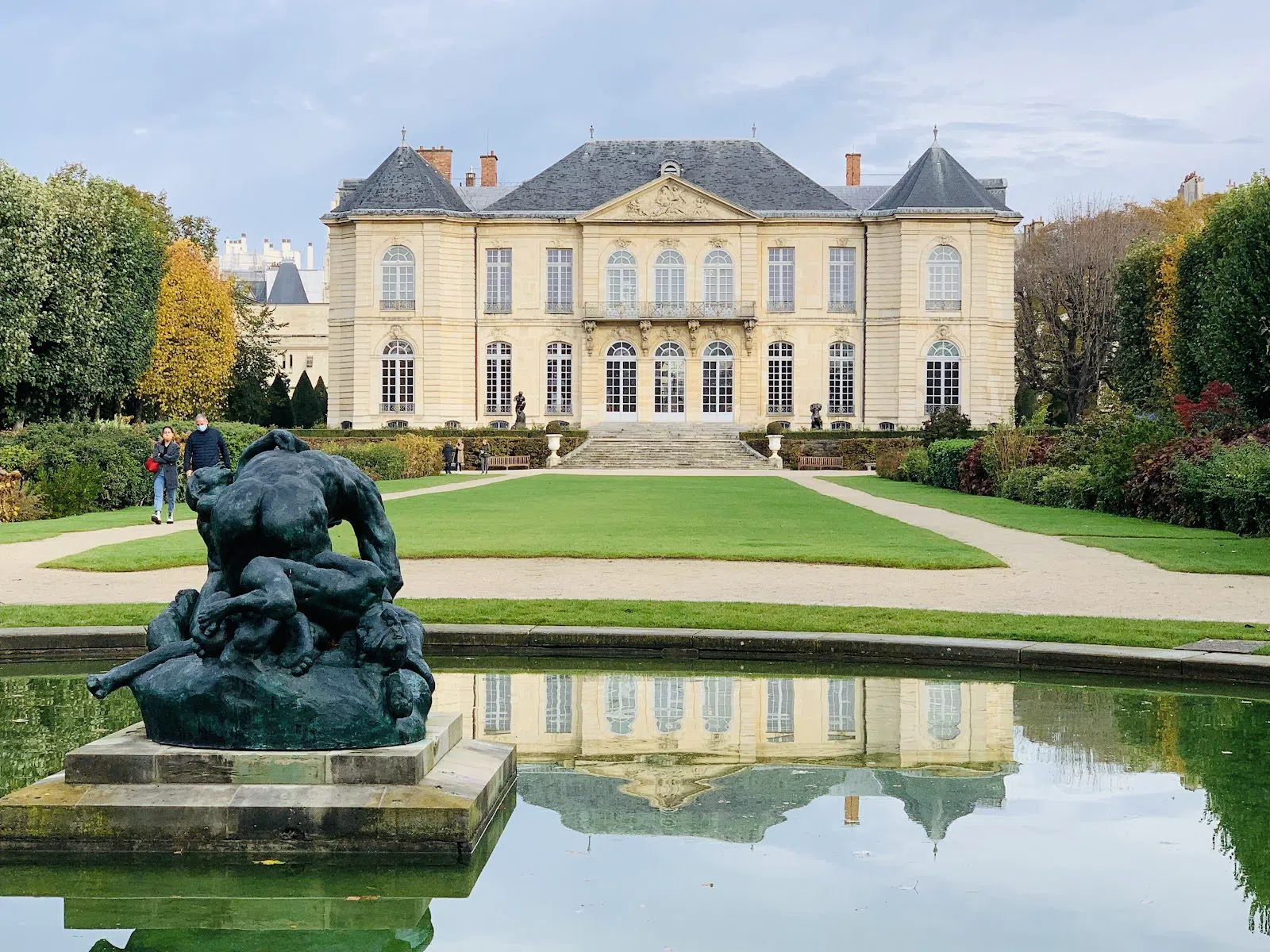
Musée Rodin (7th, beside Les Invalides) charges €14 for the museum and garden, but the garden-only ticket, cheaper and sold on site only, is one of the best-value hours in Paris. Bronzes on gravel, benches, shade, no gallery fatigue. The mansion's small rooms are exactly where a group starts shuffling, so the garden is the better bet for more than four people. Closed Mondays.
Eating without a reservation
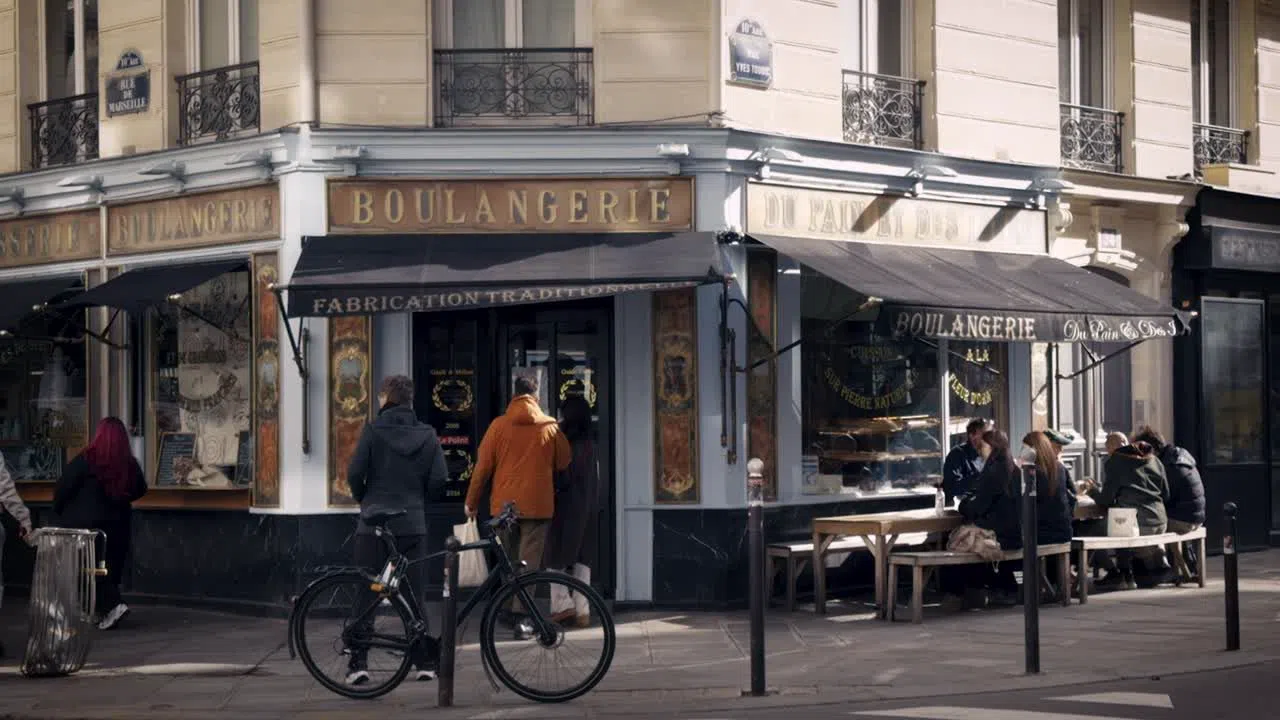
Du Pain et des Idées (10th, a short walk from Canal Saint-Martin) is counter service with nowhere to sit, pastries at €2 to €6, and closed on Saturday and Sunday, a closure that wrecks a lot of weekend plans. Build it into a weekday morning, buy more than you think you need, and eat it on the canal bank ten minutes away.
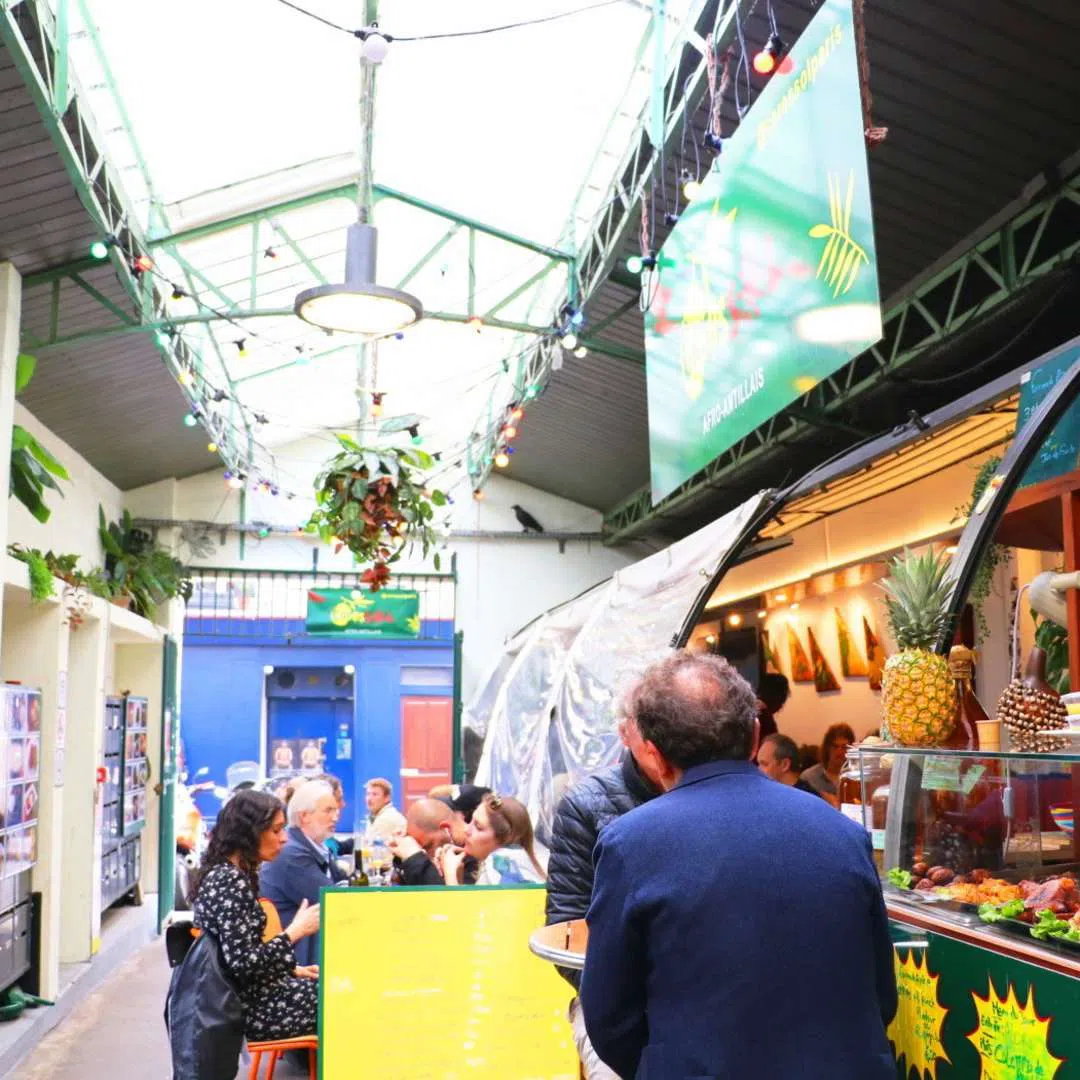
Marché des Enfants Rouges (Haut Marais, 3rd) has been running since 1628 and has been a listed monument since 1982, though what you are really there for is lunch at €10 to €20 a plate. It is closed Mondays, open Tuesday to Saturday 08:30 to 19:30 and Sunday to 14:00, and it is genuinely tight at 13:00. Arrive at 11:45 or after 14:00 and you will get a seat. A group of four or more should split across stalls and take whatever table frees up.
Bouillon Chartier (Grands Boulevards, 9th) takes no reservations at all, ever, from anyone. Everyone queues, the service is non-stop so tables turn fast, mains start at €7 and a full meal with wine lands under €30. Three branches run on the same no-booking basis: Grands Boulevards, Montparnasse and Gare de l'Est. Treat it as the meal you never have to plan and join the queue when you are actually hungry.
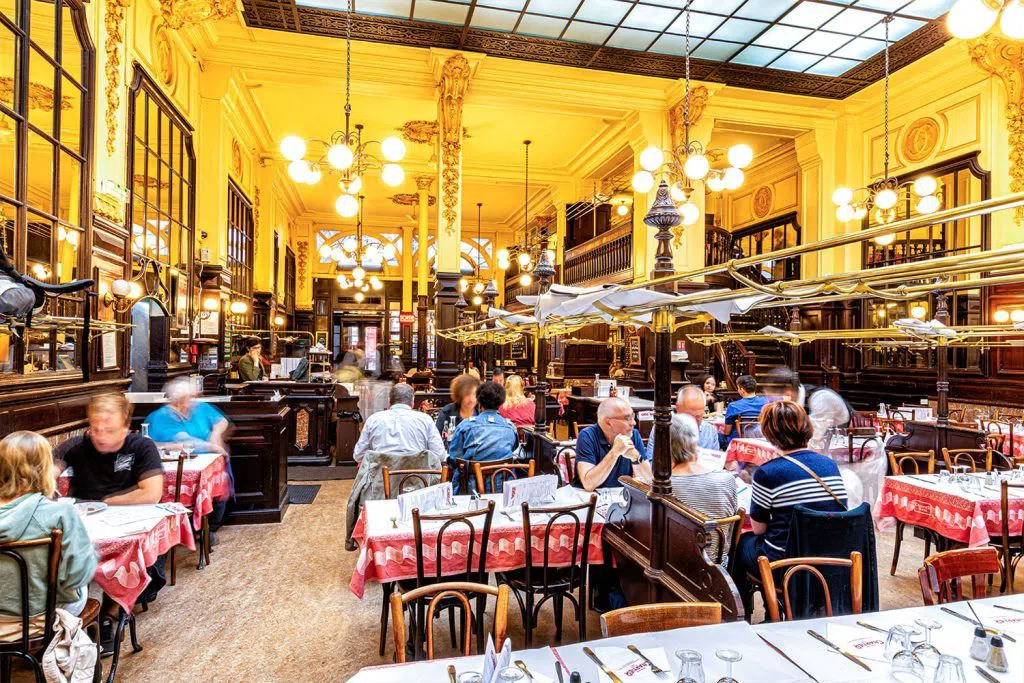
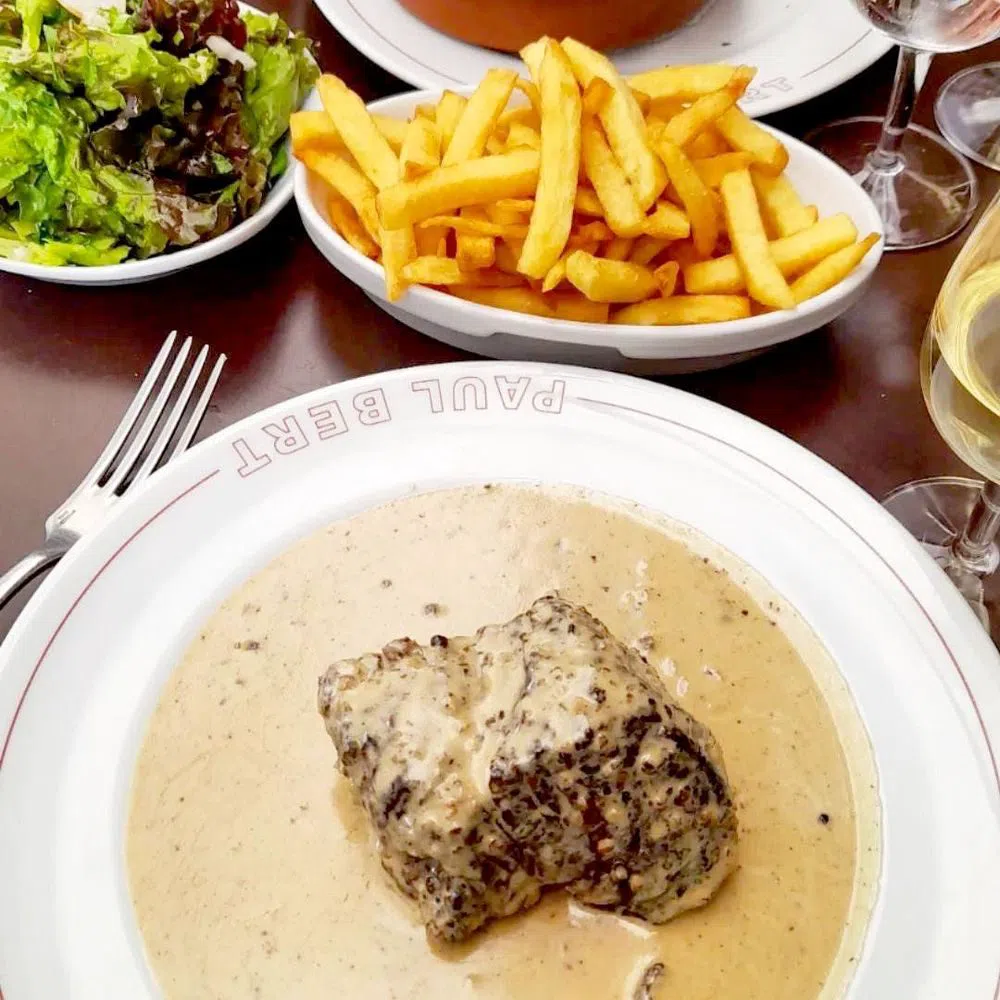
Bistrot Paul Bert is the opposite discipline. Michelin-listed and still the benchmark Paris bistro, it runs a €34 three-course lunch menu and comes to roughly €55 to €70 a head at dinner. The room is small and loud, six is already a stretch for a table, and it is closed Sunday and Monday. Call well ahead.
The Eiffel Tower in ninety minutes
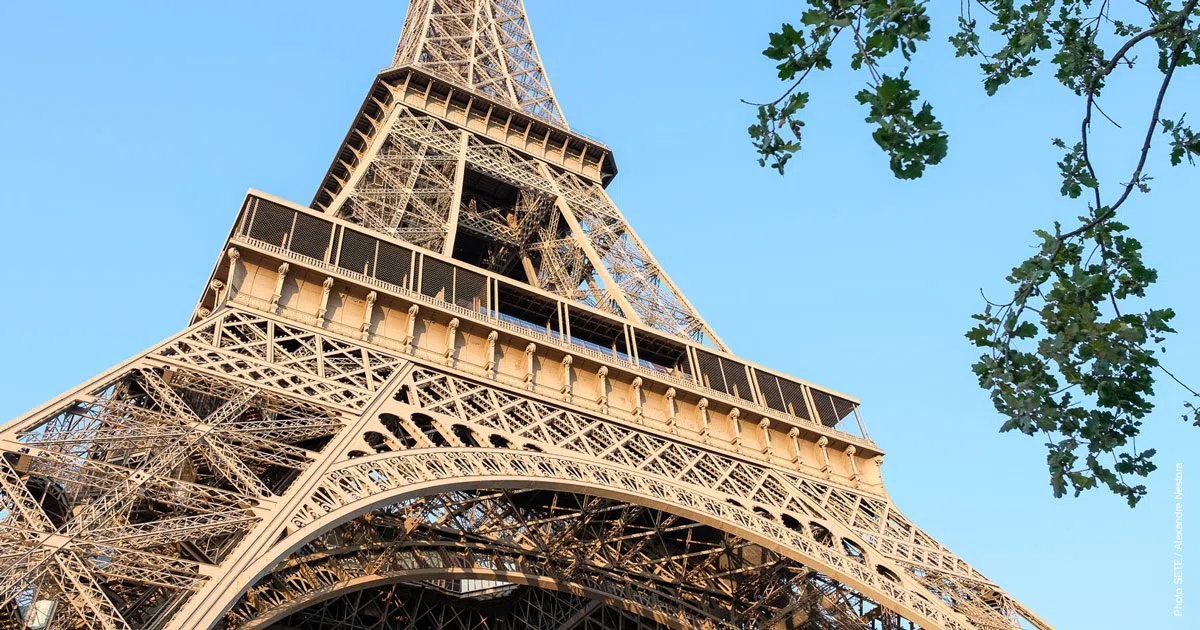
Tour Eiffel (7th, Champ de Mars) is open daily to midnight in season, and you should take the stairs. It is €14.80 to climb to the second floor, €23.50 for the lift to the same place and €36.70 for the summit. The stairs board faster, cost less and are far more pleasant than standing in the summit lift queue. The view from the second floor is the one you came for anyway, because you can still make out streets. Budget ninety minutes, not an afternoon. Groups of more than nine book through the dedicated group channel, and the group booking process changes from 29 September 2026.
Pick one day trip and give it the whole day
Two day trips in a short first visit is one too many. Choose the one that suits how you travel and defend the rest of the week.
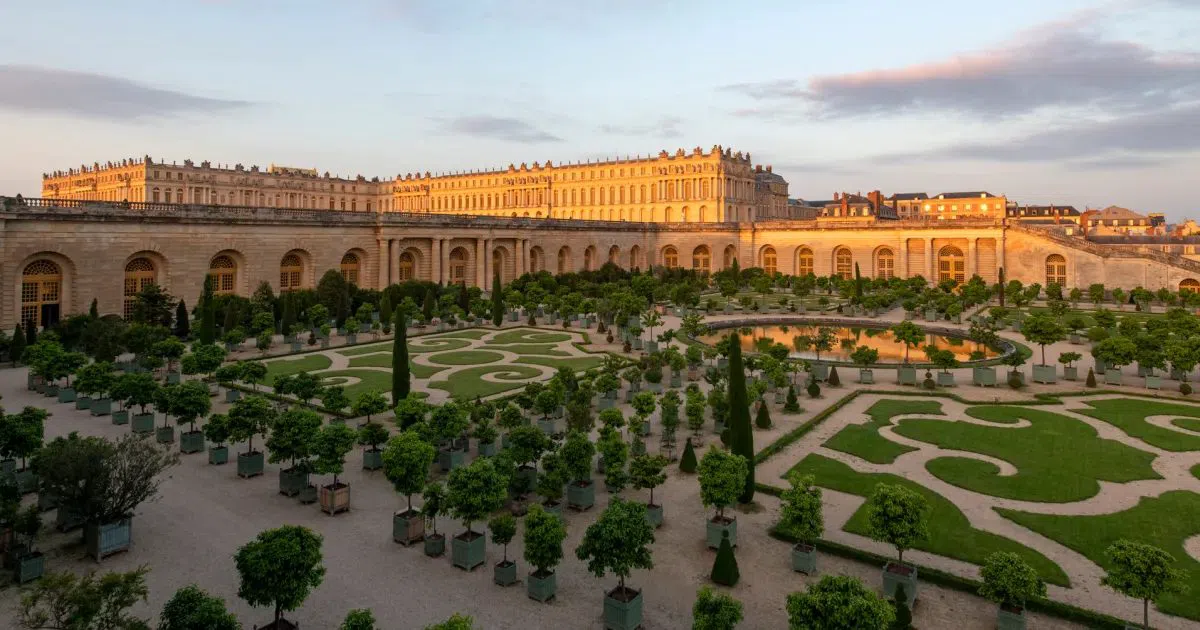
Château de Versailles rewards a group and punishes a hurry. Timed slots are mandatory for the Palace and admission is only guaranteed within thirty minutes of your slot. The all-estate Passport is €35 and discounted after 16:00, the Trianon estate alone is €15, and the park is free. The Palace is closed Mondays and the Trianon estate opens only at 12:00, so do the gardens first, take the Trianon at midday, and go into the state rooms late, once the morning coaches have drained out.
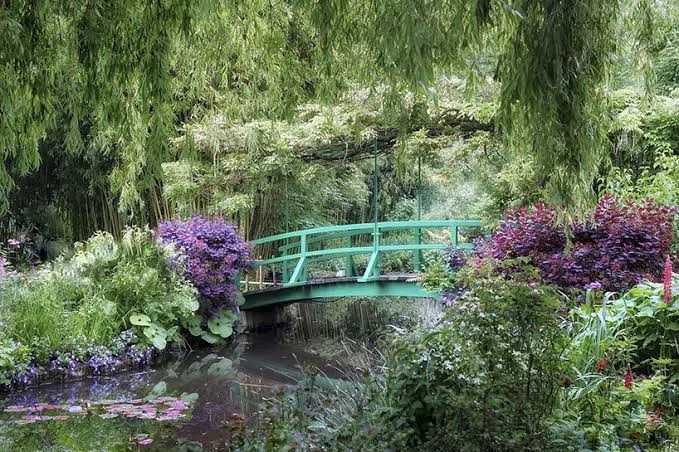
Fondation Claude Monet in Giverny is the gentler option and a real September trip, open 1 April to 1 November 2026, 10:00 to 18:00, last admission 17:30. Tickets are €13 for adults, €7 for children aged 7 to 17 and students, free under 7. Online tickets are for individuals only; groups over twenty must book through [email protected]. Online booking is suspended on 19 and 20 September for Heritage Days, when tickets are sold on site only.
A four-day shape that holds up
Day one, Île de la Cité in the morning and the cruise before dusk. Day two, the Louvre for three hours, the Tuileries, then the Orangerie or nothing at all. Day three, the Marais, with the market at 11:45, Carnavalet afterwards for as long as it holds you, and dinner booked. Day four, the day trip, and no second plan for the evening. Slot the tower, the Orsay late opening and the Luxembourg chairs into the gaps as the weather decides. More detail on districts and seasons sits in the wider Paris guide.
Practical notes
Walk first. Most of what is above sits within a forty-minute walk along the river, and the metro earns its keep mainly on the long hops, the tower to the Marais, or out to the canal. Versailles is reached on the RER C to Versailles Château–Rive Gauche, and Giverny by train from Gare Saint-Lazare to Vernon-Giverny, then the shuttle bus that meets the arrivals.
Cards work almost everywhere, including museum machines and the boat. Market stalls, the bakery counter and the odd café are quicker with notes, so carry €30 or so in small denominations.
Plan around the closure pattern, which splits neatly in two. Orsay, Rodin and Carnavalet close Mondays; the Louvre and the Orangerie close Tuesdays. Late openings do more for you than early starts: Orsay to 21:45 on Thursdays, the Louvre to 21:00 on Wednesdays and Fridays, the Orangerie to 21:00 on Fridays during exhibition periods.
On money, one paid museum a day runs €12 to €22, lunch at the market €10 to €20, the cruise €15, and dinner anywhere from under €30 at a bouillon to €70 at a booked bistro. Two people can do a full, unhurried day for well under €100 before the room. Staying central buys back an hour of walking every evening, so compare rates on Paris hotel search before you fix the itinerary, because where you sleep decides which of these mornings are easy.
Before you go
Which Paris museums do I actually have to book in advance?
The Musée d'Orsay is the one that matters: since March 2026 timed entry is mandatory and walk-ups are refused while the reception areas are renovated. The Louvre's individual time slot is effectively required too, and Sainte-Chapelle is worth booking to skip the Palais de Justice security queue. Notre-Dame is free but its slots only open 72 hours ahead. The Orangerie, Rodin and Carnavalet are easy to walk into.
How do I visit Notre-Dame without queueing for hours?
Entry is free with or without a reservation, but unreserved queues run one to three hours in season. Reservation slots open exactly 72 hours ahead, so set a reminder three days before your visit. Otherwise, be there at opening. The bell towers are separate, cost €16, and are booked online only through the Centre des monuments nationaux.
How many days do I need for a first trip to Paris?
Four days is enough for one major museum, the Île de la Cité, an afternoon in the Marais, a day trip and a genuine amount of sitting still. Three works if you drop the day trip. Adding sights beyond one anchor per day mostly buys you more queueing.
Versailles or Giverny for a day trip?
Versailles suits people who want scale and history and are happy to manage timed slots: gardens first, Trianon from 12:00, Palace late, and it is closed Mondays. Giverny is the calmer day, open 1 April to 1 November 2026 from 10:00 with last admission at 17:30, and at €13 it is far cheaper than the €35 Versailles Passport. Pick one.
What should I budget per day in Paris?
One paid museum runs €12 to €22, lunch at the covered market €10 to €20, the one-hour Seine cruise €15 booked online. Dinner is under €30 with wine at a no-booking bouillon, or €55 to €70 a head at a proper bistro. Two people can have a full day for under €100 before accommodation.