The Paris issue
Paris with children on the Métro without losing half a day
With the new Navigo fares, one step-free line and a few boats, buses and 2CVs, a family can cross Paris without spending the day underground.

By Sasha LindholmThe unhurried side of Paris
Most of the Paris Métro was cut into the ground long before anyone designed for wheels, and you learn that the first time you carry a buggy up a staircase at a correspondance while two children wait at the top. What has changed is the paperwork around it: the fare system has been simplified down to something a visitor can hold in their head, the whole of Île-de-France is now a single zone, and one line runs step-free from the southern airport into the middle of the city in twenty-five minutes. The trick with children is knowing which parts of the network actually work for a family, and which stretches of sightseeing you can hand over to a boat, a bus or a hill railway instead.
Getting the tickets right before you get on anything
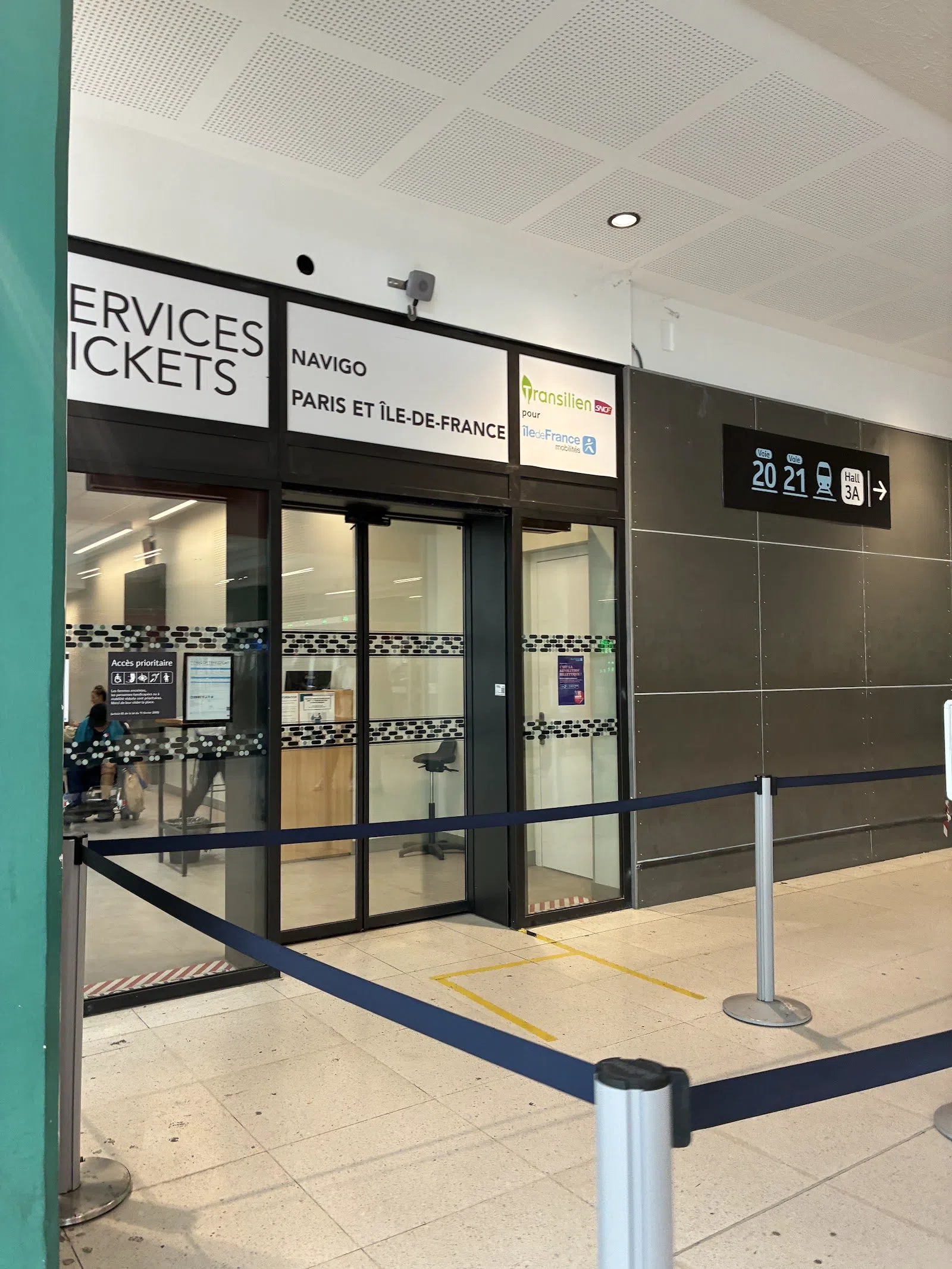
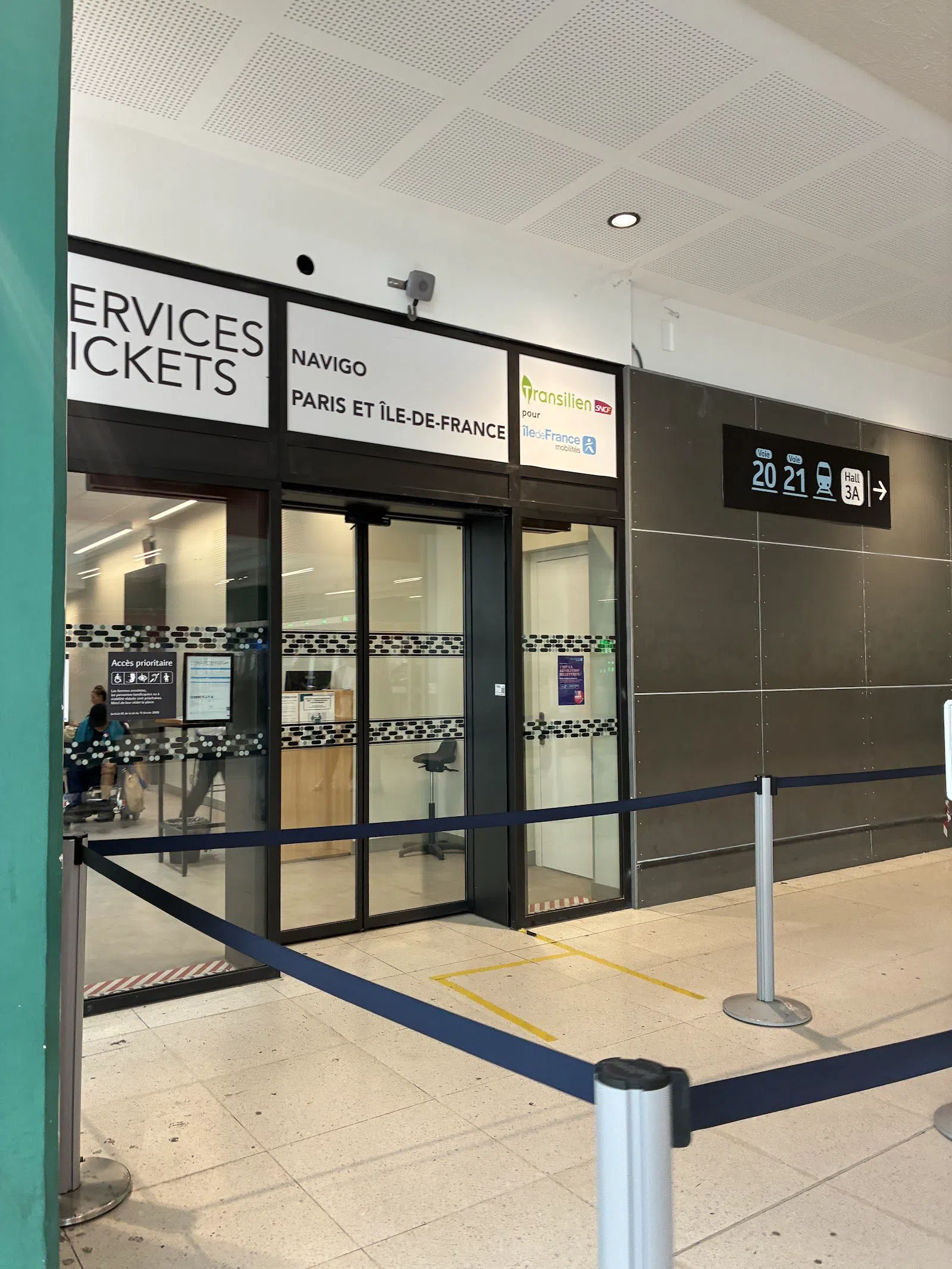
Navigo Easy (Île-de-France Mobilités; sold at staffed windows and machines across the métro, bus and tram network) is the card that replaced the thing most older guidebooks still describe. The paper carnet and the ticket t+ have been scrapped; everything now runs off a Navigo card or a phone. The card itself costs €2 once and never expires, and you load journeys onto it: €2.55 for a Metro-Train-RER ticket, €2.05 for a Bus-Tram ticket. Children aged four to nine travel at half fare, and under-fours travel free.
The detail that catches families out is the tapping. There is no group limit on the card (one Navigo Easy can hold a stack of tickets and be passed back down the queue), but every person has to tap for themselves, which means handing the same card back through the barrier four times for a family of four. At a busy gate line during the evening peak that is slower than it sounds, and it separates the adult who has already gone through from the children who have not. Two cards, one per adult, each loaded with half the family's journeys, is the calmer arrangement, and the second one costs an extra €2.
If you expect more than about five journeys between you in a day, the Navigo Jour day pass at €12.30 does the arithmetic for you, and because the whole region is now a single fare zone it costs the same whether you spend the day in the 6th or ride out to the Bois de Vincennes. Airport journeys sit outside that and have their own €14 ticket.
Line 14 is fully step-free, with lifts at every station, and runs Orly to Châtelet in twenty-five minutes. If you are landing at the southern airport with cases and a pushchair, that is your route in, and you never touch a staircase doing it.
Plan your Paris trip
Live prices from our booking partners.
Free cancellation on many rooms. We may earn a commission when you book.
Reading the network with a buggy in it
Outside Line 14, assume stairs. The older lines were built into narrow tunnels under nineteenth-century streets and most of their entrances are a flight down from the pavement, with a second flight at any interchange. That is not a reason to avoid the Métro. It is a reason to plan the shape of the day around it.
Count your interchanges, not your stops: a single direct ride of eleven stations is easier with children than a two-stop hop that involves changing at a big underground junction. Take a buggy you can fold one-handed while holding a child's hand, because you will do exactly that. And cap the day at three or four Métro journeys. Families do not lose half a day to any single train; they lose it to the fifth trip, when everyone is already tired and the walk from the platform to the street is longer than the ride was.
The alternatives below replace those extra journeys with something worth doing in its own right.
Using the Seine as a transport line
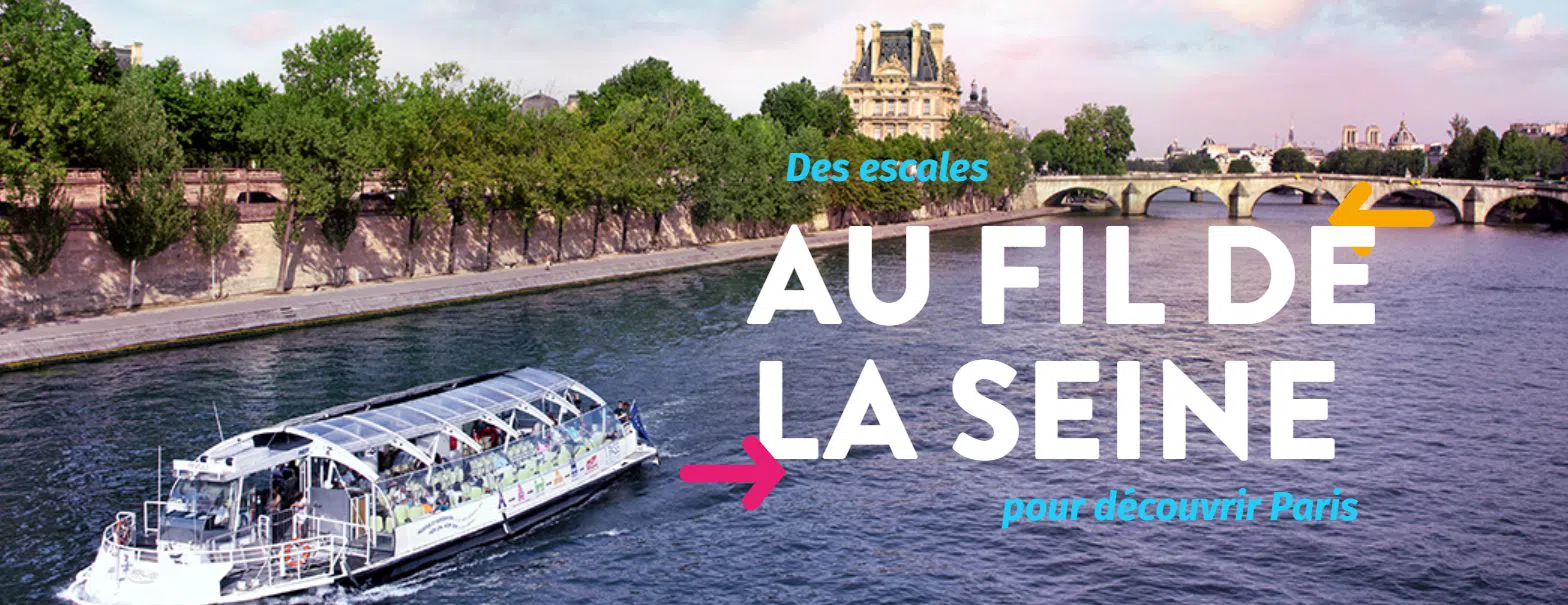
Batobus (nine pontoons between the Eiffel Tower and the Jardin des Plantes) is a scheduled river shuttle rather than a cruise, and the distinction matters. Boats run every fifteen minutes from April to early November and every twenty-five in winter, and the nine stops sit next to most of what a first-time family wants to see. A 24-hour pass is about €23 for an adult and €13 for a child aged four to eleven; under-fours go free as long as an adult collects a 24- or 48-hour ticket before boarding. If you are back within the year, and some families are, the annual pass is €84 and €49.
Boarding is unreserved, big buggies go on freely, and there is no folding and no luggage bay. On a sightseeing day it removes three Métro journeys rather than adding an outing, and it gives the children a seat and a view between them. The one caution is the last boat of the day, which fills; if you are at the far end of the line in the late afternoon, take the one before it.
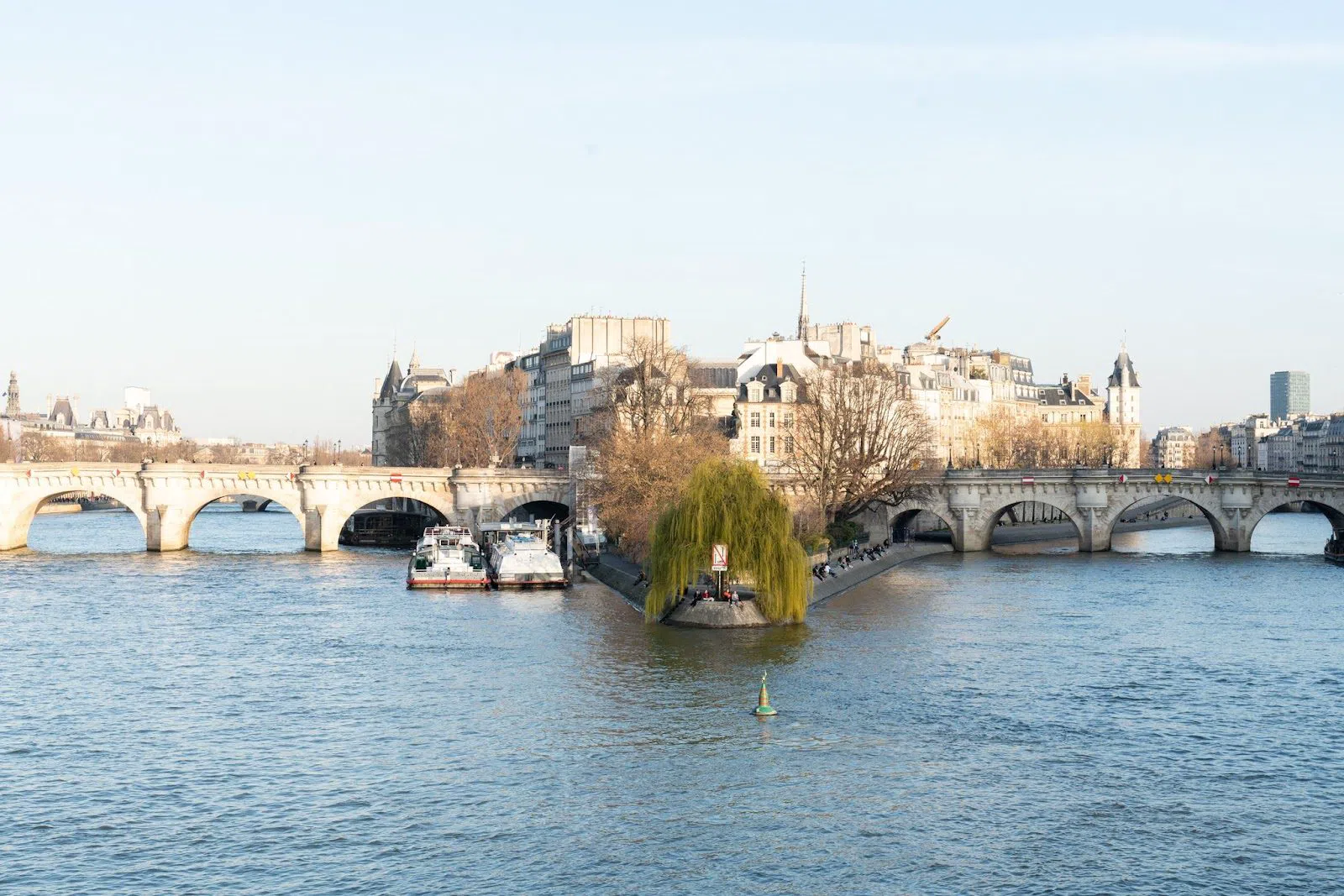
Vedettes du Pont Neuf (a single pier at the Pont Neuf, on the tip of the Île de la Cité) is the opposite proposition, useful for a different reason. One hour, one departure point, no walking between piers: the shortest way to buy an hour of sitting still when the morning has gone long. Tickets are from €15 online or €17 at the kiosk, children €7, sold open without reservation subject to space. The kid-and-family snack cruise from €20 is worth the difference for anyone travelling with a child who gets hungry on a schedule; it keeps them upright to the end of the hour instead of unravelling at minute forty.
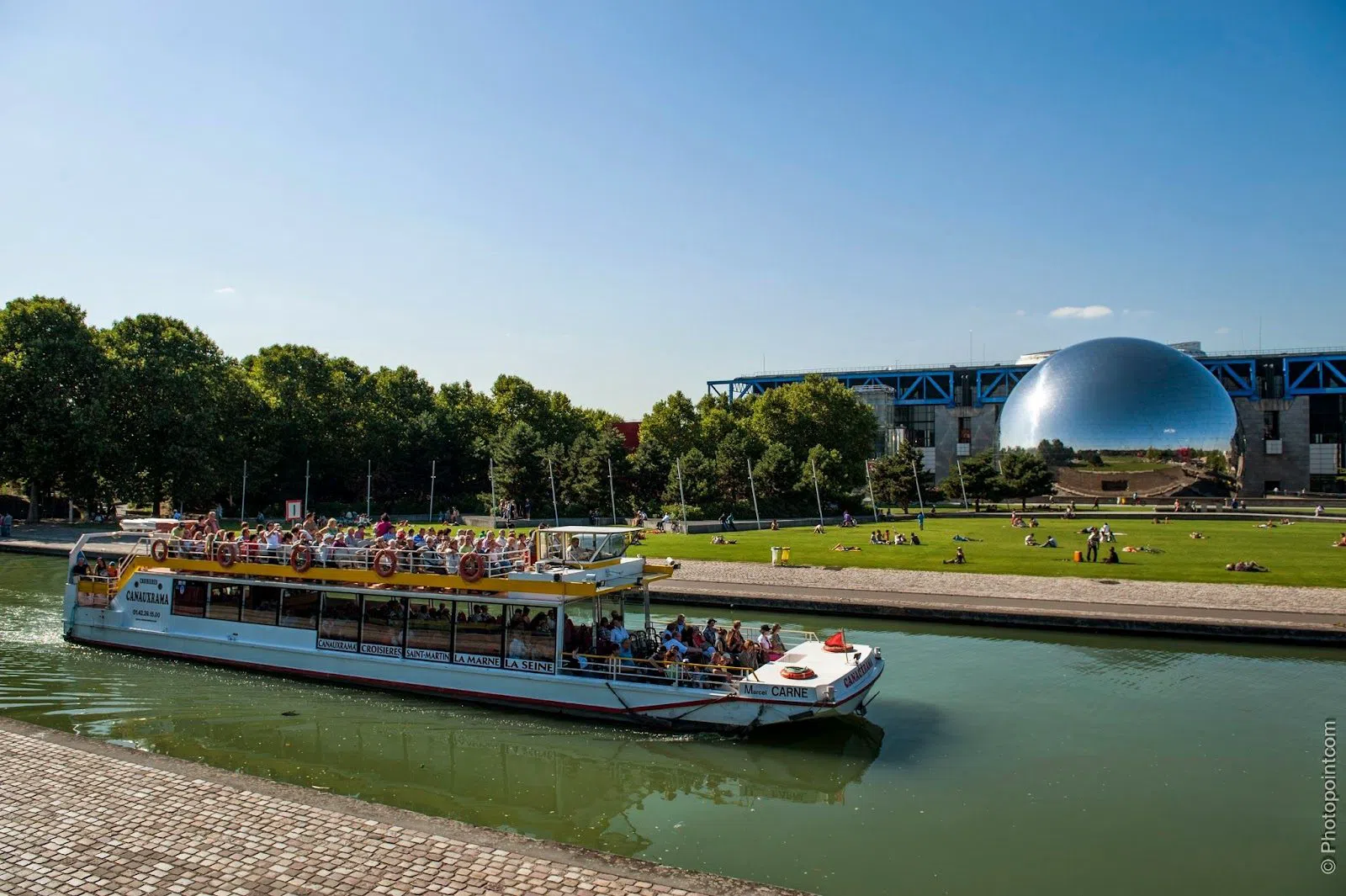
Canauxrama (the 2h30 run from the Bastille up the Canal Saint-Martin to La Villette) is the one to be honest about. Four locks, two swing bridges and the long vaulted tunnel under the Bastille: the machinery is the show, and children who like how things work watch it properly rather than politely. It is about €23 for an adult with a reduced rate for four- to fourteen-year-olds, and under-fours go free if you flag them in the booking notes. But two and a half hours on a boat is a real commitment with no way off in the middle. It works for eights and up. With a toddler it is the thing that costs you the afternoon. Whole-boat and group charters run alongside the scheduled sailings, and summer sailings need booking ahead.
Montmartre without the climb
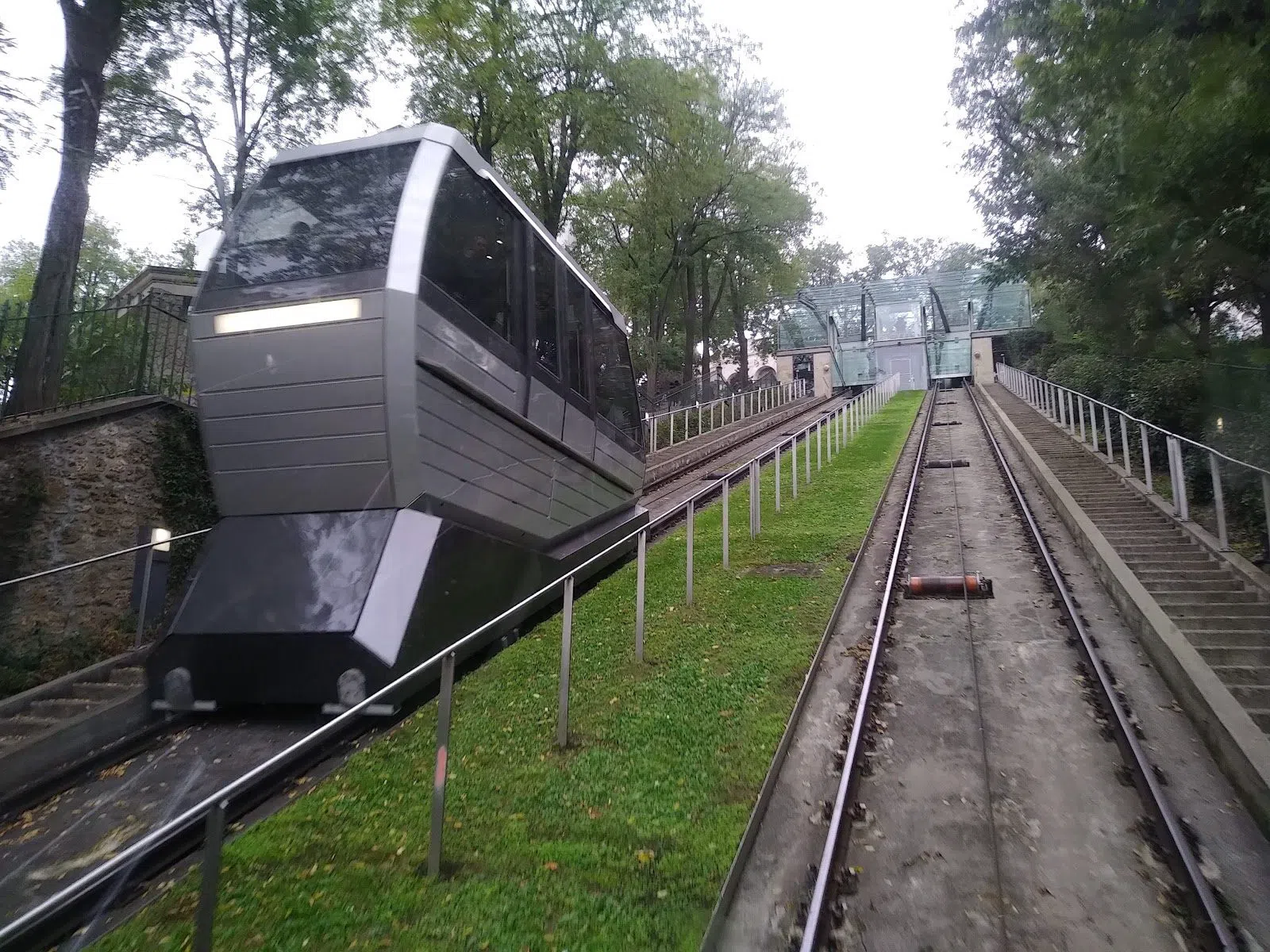
The butte defeats more family days than the Métro does. Funiculaire de Montmartre (Montmartre, 18th) removes roughly two hundred steps for the price of a standard Metro-Train-RER fare, €2.55, and it is included in Navigo and Paris Visite. It is walk-up with no booking, the cabins hold large standing groups, and since the regulatory overhaul that had it running on a single cabin ended on 31 May 2026, both cabins are back, so a family of four rarely waits more than a couple of minutes. Contactless bank cards have worked at the gate since July 2026. Cardboard tickets are no longer accepted, which is worth knowing if someone has handed you an old one.
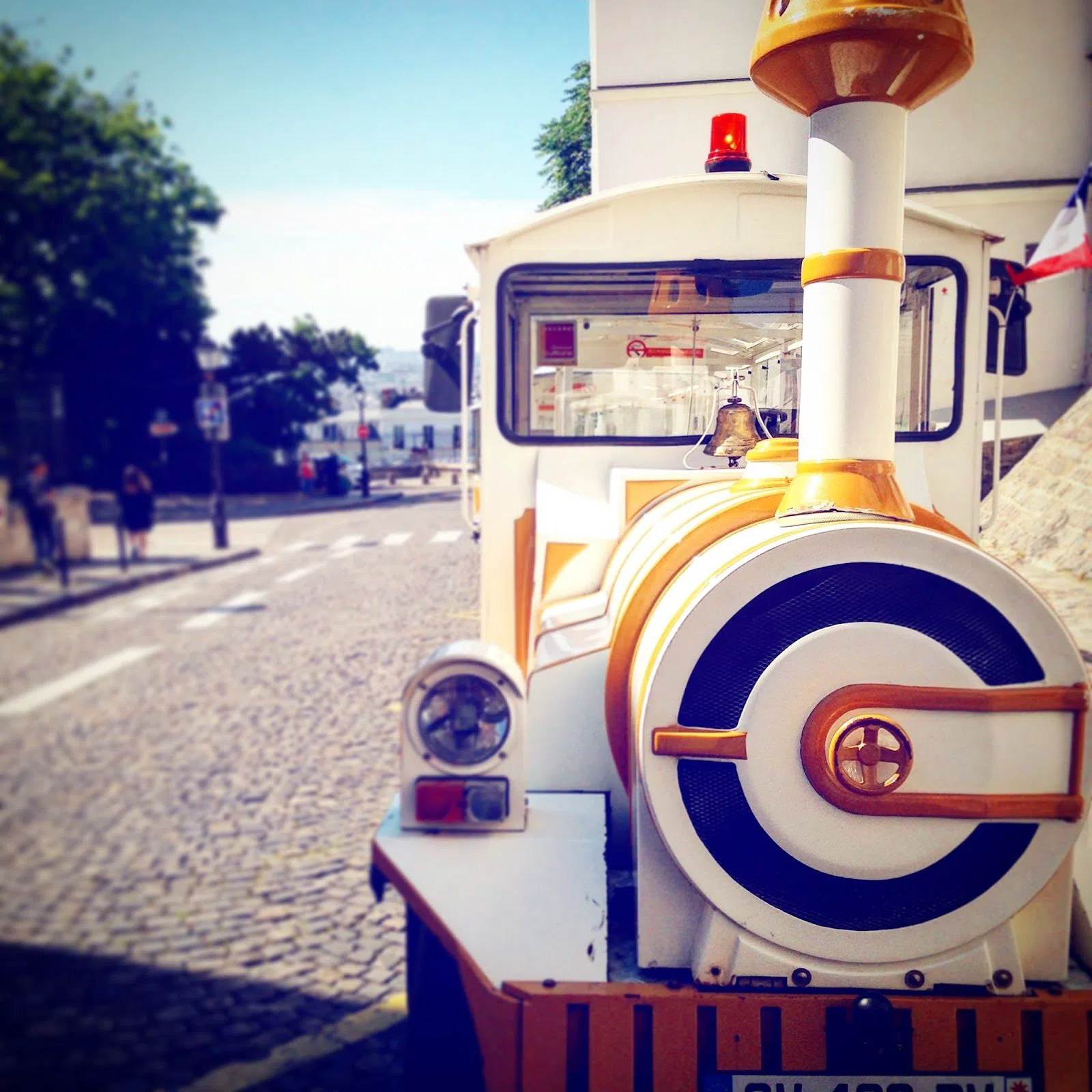
What the funicular does not cover is the rest of the hill, and that is where Le Petit Train de Montmartre (Promotrain, Montmartre, 18th) earns its place: the back lanes, the vineyard, the windmills, all the parts of the butte that are a walk too far after the climb. It is €10 for an adult and €5 for a child aged three to twelve, or €12 and €5 with three smartphone audio walking tours added. Turn up and board; the driver sells the tickets, which is the one catch, because same-day tickets cannot be bought online at all. A large family group should arrive a few minutes before a departure rather than at it.
Two open-top buses, used for two different problems
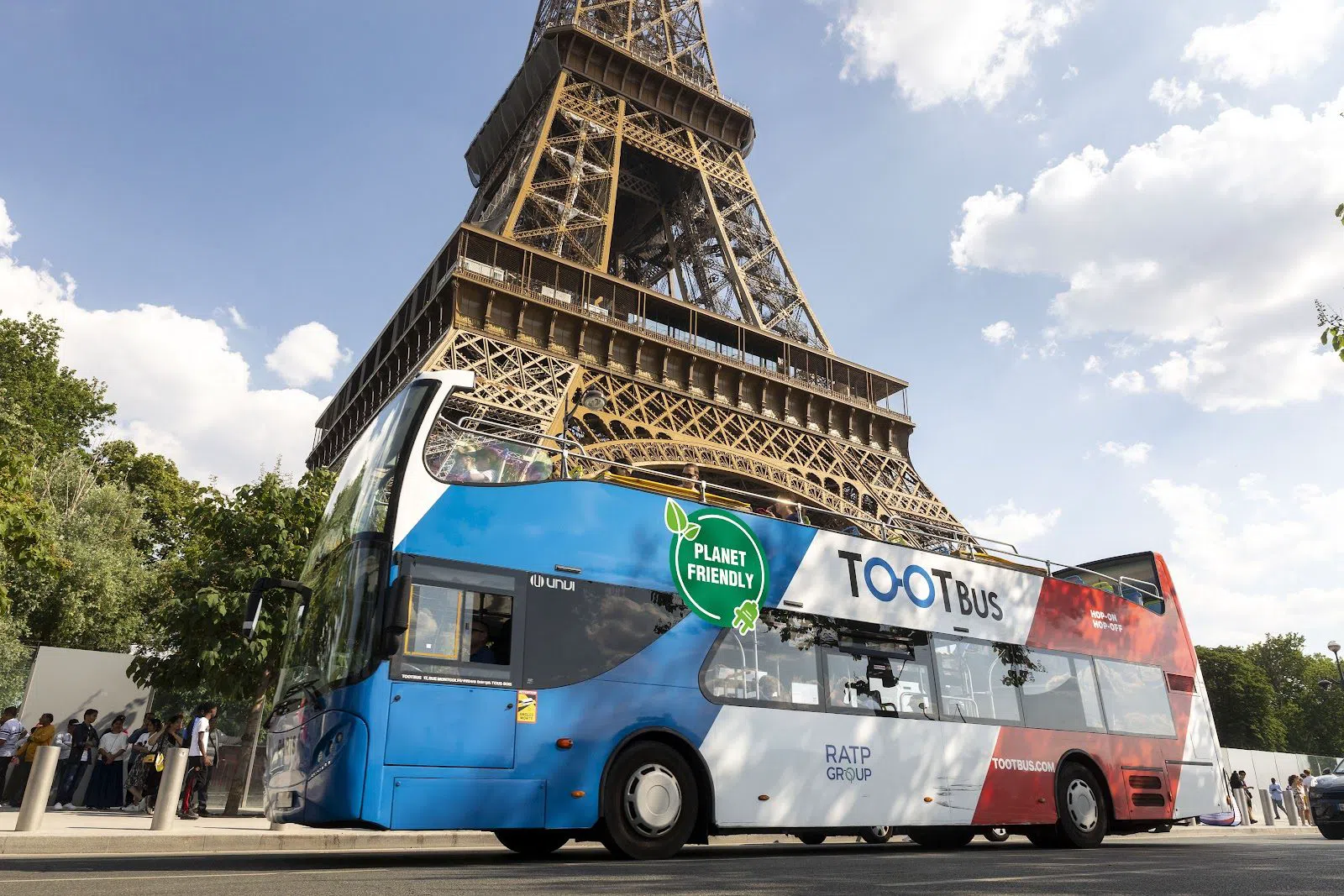
Tootbus Paris (Blue Route, unreserved hop-on boarding across the centre) is the better choice if the point of the bus is the children rather than the distance. The Saturday Kids Tour at 2.30pm is a fixed 90-minute live-guided ride built around riddles, stories and sweets, run in French and English, and it is worth building a Saturday around rather than fitting in. Day tickets start at about €37 for an adult with children roughly €20 to €34 depending on the pass length, and three and under go free. The fleet is electric or gas, which matters on an open top deck if your child reacts to diesel.
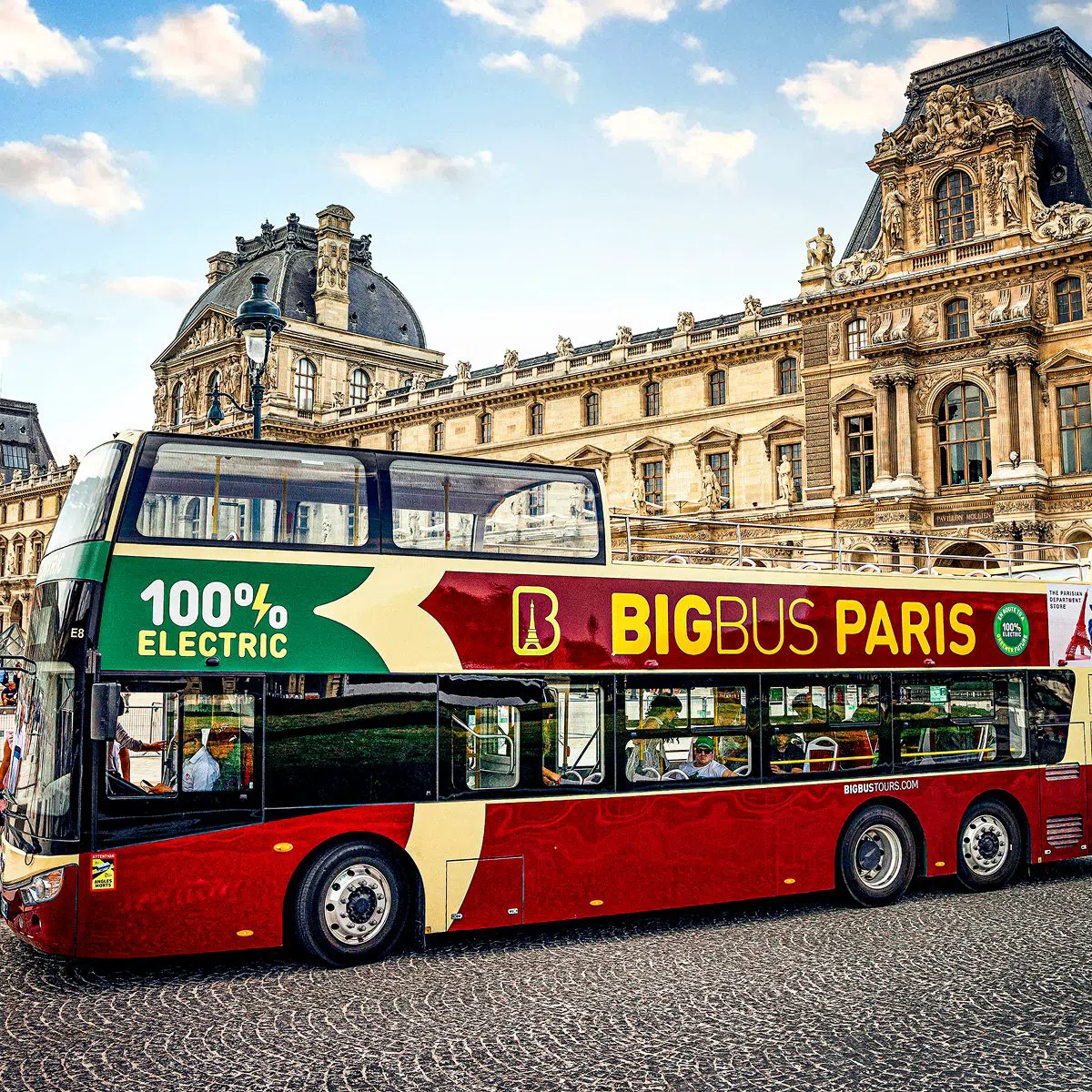
Big Bus Tours Paris (Classic Route, ten stops across the centre) is the better choice if the point of the bus is coverage. It has the widest stop network of the sightseeing buses and it is the only one with a real two-day pass, the honest answer when you have two half-days rather than one full one. A day is €35.10 low season or €39 high, with children aged four to twelve at €17.10 or €19; the two-day Premium is €38.70 or €43 for adults and €18.90 or €21 for children. Three and under free. Boarding is walk-up with no group booking needed, and buggies fold into the luggage bay rather than blocking the aisle.
Wheels for the hours when walking has stopped
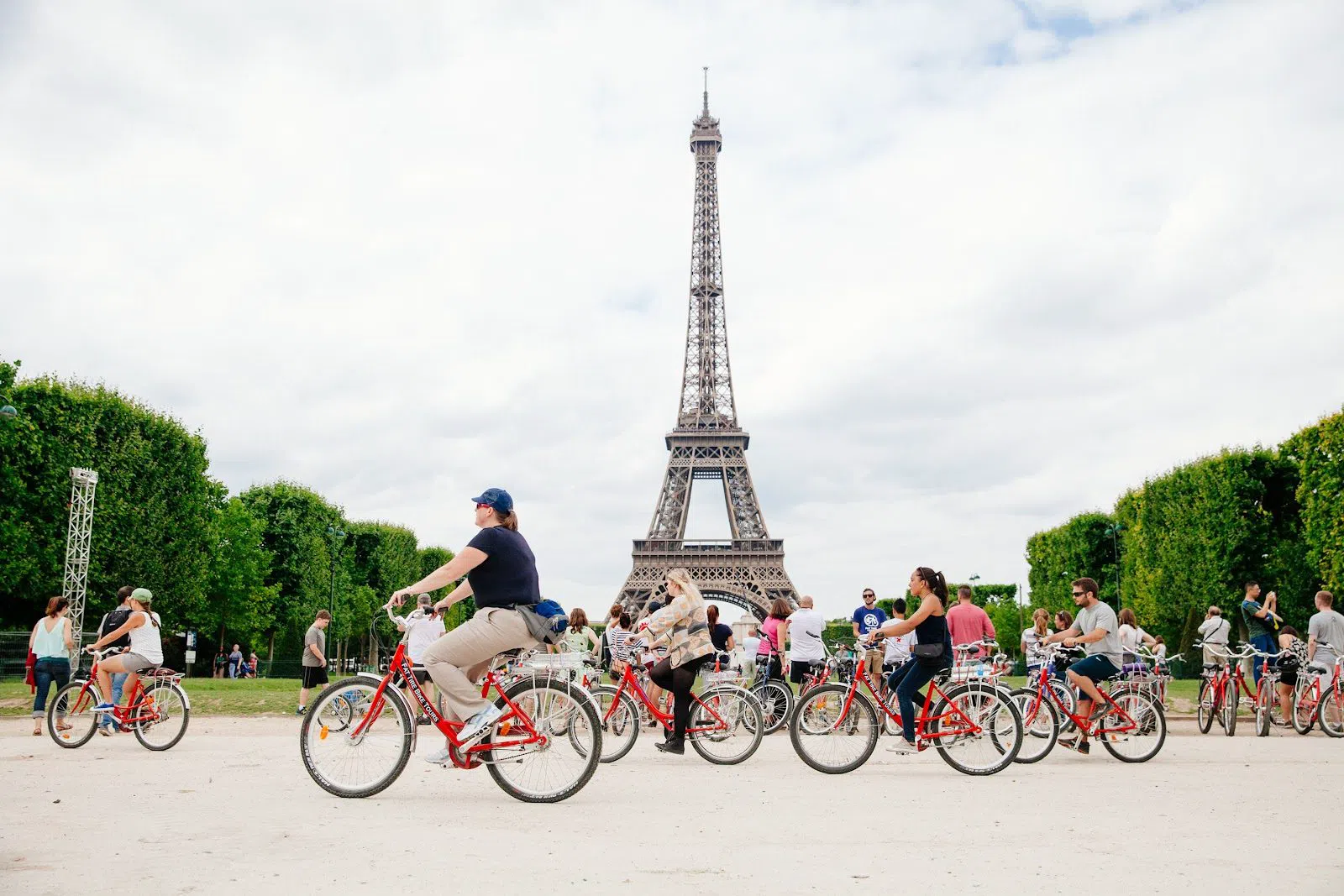
Fat Tire Tours Paris (family bike tours and rentals, central Paris) is worth choosing for its equipment rather than its route. Rear baby seats take children from eleven months up to 22kg, enclosed trailers carry two children up to 36kg combined, and tag-along tandems suit under-tens up to 32kg, so nobody has to pedal who cannot. All of that child equipment is free, but the stock is limited and must be reserved in advance; turning up hopeful is how a family ends up without a trailer. Day tours run roughly €40 to €50 per person, with scheduled small-group departures alongside private family tours at higher rates.

4 Roues Sous 1 Parapluie (vintage 2CV chauffeur tours, with free pick-up from hotels in the 1st to 10th, 17th and 18th) solves the specific moment when a child has simply stopped walking and you are still two kilometres from anything. The car is itself the attraction, the roof rolls back so children can stand and look up at the buildings, and it covers distance faster than a tired family can. Three passengers per car is the hard limit, so a family of five is a convoy of two cars, which the company runs as a matter of course, and it also does rallies for larger family or company groups. From about €40 per adult on the shortest hourly runs, with private multi-hour tours well into three figures.
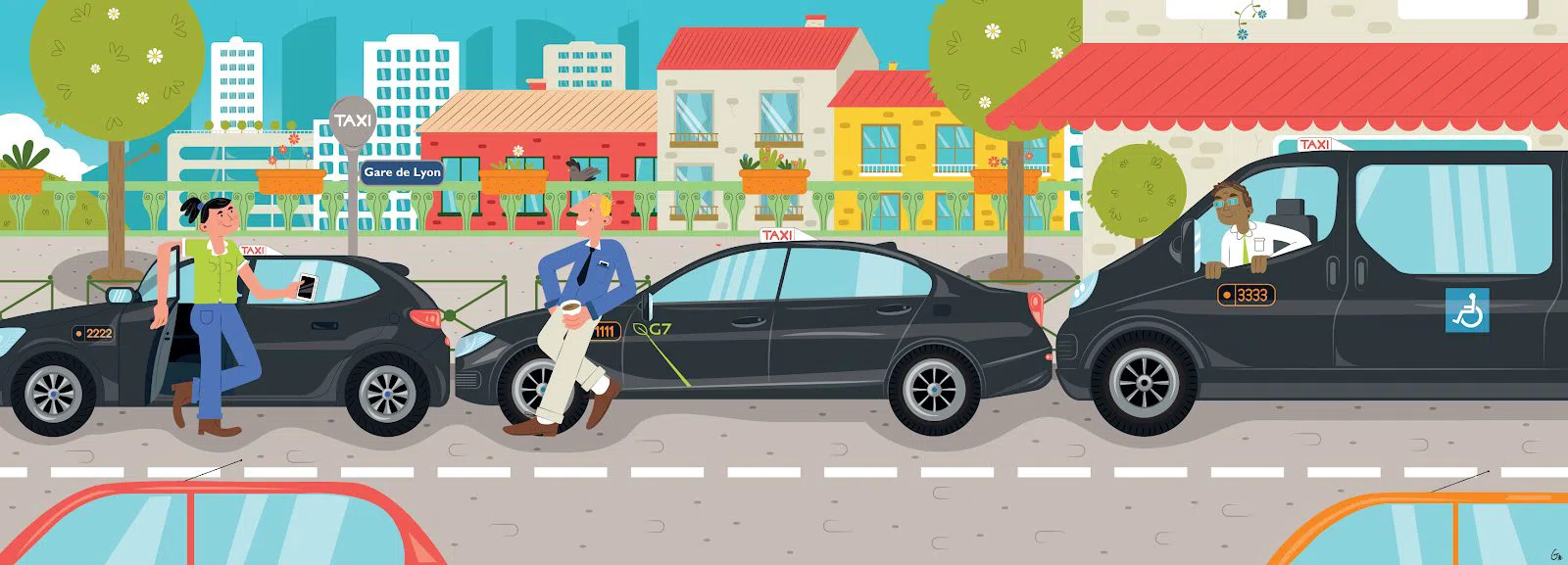
Taxis G7 (G7 Famille, citywide) is the answer to the late-evening problem no Métro line solves. It is the only Paris fleet that will actually arrive with a baby seat or boosters fitted: estates take four passengers with one baby seat and up to two boosters, vans take up to seven. Fares are metered and typically €10 to €25 across the centre, airport runs are flat-rate, and there is a small booking supplement. Book ahead and confirm the seat type by phone rather than trusting the app, which will send you a car but not necessarily the seat you asked for.
Two routes with no traffic on them at all
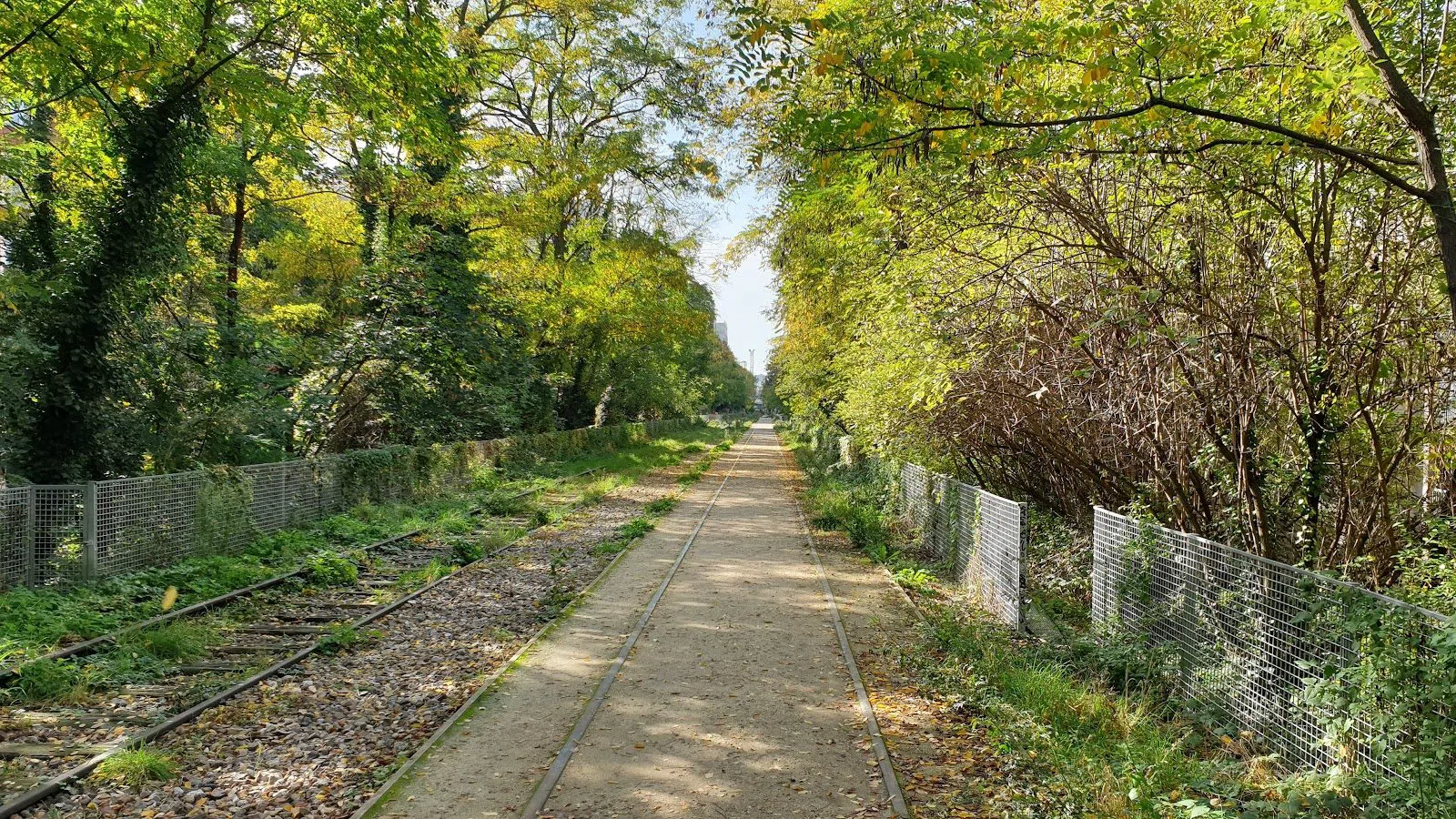
Some of the best family hours in this city are spent on a route rather than at a destination. Coulée verte René-Dumont (12th, running from behind the Bastille opera out towards the Bois de Vincennes) is nearly five kilometres of old railway line, elevated on a viaduct for its first stretch and traffic-free the whole way. It is free and unticketed, wide enough to walk abreast, and it is the one route in Paris where you can let a nine-year-old run ahead without watching for cars. The access points along the viaduct are stairs, so plan where you join and leave it if you have a buggy.
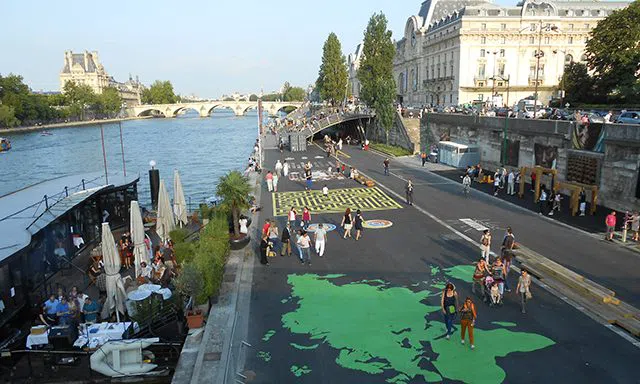
Parc Rives de Seine (both banks of the Seine, through the middle of the city) is ten hectares of former riverside expressway, 4.5km on the right bank and 2.5km on the left, with five playgrounds, pétanque, a climbing wall and free deckchairs on the left-bank stretch. It is free, open twenty-four hours all year, with no group limits and no tickets. It works as the walking route between two sights and as the break in the middle of it, which is the thing a family day usually has to stop and go looking for.
Arrival day and the gap before check-in
The half-day most families lose is the one between a morning train or flight and a 3pm check-in, spent dragging cases around. Nannybag (around 400 partner shops, including points beside Gare du Nord and Gare de l'Est in the 10th) removes it: from €2.50 per bag per 24 hours, larger items around €7.50 to €9.50, with €10,000 of insurance cover. Book any number of bags per slot online, and the partner shops open early and close late, seven days. Drop everything, take Line 14 or a Batobus, and start the trip four hours earlier than you otherwise would.

It is worth choosing where you sleep with the same logic. A room within a short walk of a Line 14 station, or of a Batobus pontoon, deletes two Métro journeys a day for the length of the stay, so filter for that when you run a Paris hotel search, ahead of almost any other feature.
Practical notes
Transport. Buy a Navigo Easy card at the first station you reach: €2, then load journeys or a €12.30 Navigo Jour day pass. Everyone taps individually. Line 14 is the step-free line. Airport journeys need the separate €14 ticket.
Payment. Contactless bank cards work at the funicular gate and on all the booked-ahead operators; the boats, buses and tours all sell online, and doing so saves €2 on a Vedettes du Pont Neuf ticket. Keep a small amount of cash for the Petit Train, where the driver sells the tickets on the spot and nothing is available online the same day.
Timing. Three or four Métro journeys a day is the realistic ceiling with young children; build the rest of the movement out of boats and walking routes. Avoid the 8 to 9.30am and 5.30 to 7pm gate crushes with a buggy. Batobus runs every fifteen minutes April to early November and every twenty-five in winter; the last boat fills. The Tootbus Kids Tour is Saturdays at 2.30pm only.
Budget. A family of four moving on métro tickets alone spends well under €20 a day. Add a Batobus 24-hour pass for two adults and two children and you are near €72 for the day, with most of the sightseeing transport included. A sightseeing bus day is comparable. The 2CV and the taxi are the expensive options, and both are worth it for the specific hour they rescue rather than as a way of getting about. For where to point all this movement, the Paris guide has the rest.
Before you go
Do children need their own ticket on the Paris Métro?
Children aged four to nine travel at half fare and under-fours travel free. There is no group limit on a Navigo Easy card, so one card can hold everyone's tickets and be passed back through the barrier. Each person still has to tap individually, which is slow at a busy gate, so two cards split between the adults is easier.
Is the Paris Métro manageable with a buggy?
Line 14 is fully step-free, with lifts at every station, and runs Orly to Châtelet in 25 minutes, so it is the reliable option. Most older lines mean stairs at the entrance and again at any interchange. Count interchanges rather than stops. A buggy you can fold one-handed helps, and three or four journeys is enough for one day.
What is the cheapest way to cover a family sightseeing day in Paris?
If you make more than about five journeys between you, the Navigo Jour day pass at €12.30 per person covers the whole of Île-de-France, now a single fare zone. Otherwise pay per journey at €2.55 for métro/RER and €2.05 for bus and tram, half price for four- to nine-year-olds.
Can we get a Paris taxi with a child seat?
Taxis G7 runs G7 Famille, the only Paris fleet that will turn up with a baby seat or boosters fitted. Estates take four passengers with one baby seat and up to two boosters; vans take up to seven. Book ahead and confirm the seat type by phone rather than through the app. Central fares are usually €10 to €25, and airport runs are flat rate.
What do we do with luggage between arriving and checking in?
Nannybag has around 400 partner shops across the city, including points beside Gare du Nord and Gare de l'Est, from €2.50 per bag per 24 hours with €10,000 insurance cover. Book online and drop the cases, and the gap before a 3pm check-in turns into a usable half day.